Researchers have found that the South African variant of SARS-CoV-2 (B.1.351) resists neutralizing antibodies in people previously infected with earlier strains. While full immune escape is unlikely, experts anticipate vaccines may need updates to match these variants effectively.
Recent discoveries include new coronavirus strains with significant mutations: the UK variant (20I/501Y.V1 or B.1.1.7) and the South African variant (20H/501Y.V2 or B.1.351).
Viruses naturally mutate over time, but these changes target the spike protein—a critical component for cell entry. Multiple mutations here could enhance infectivity in those with prior immunity from infection or vaccination.
This raises concerns that variants like B.1.351 could challenge COVID-19 vaccination efforts, particularly in South Africa.
Scientists at South Africa's National Institute for Communicable Diseases (NICD) tested the B.1.351 variant against blood from 44 COVID-19 survivors, assessing prior infection antibodies.
Key findings: Neutralization was lost in half the samples, with over 90% showing reduced capacity. These are preliminary results from a small cohort.
Antibodies aren't the sole defense—T cells and B cells play vital roles. The variant likely causes milder reinfections rather than total immune bypass.
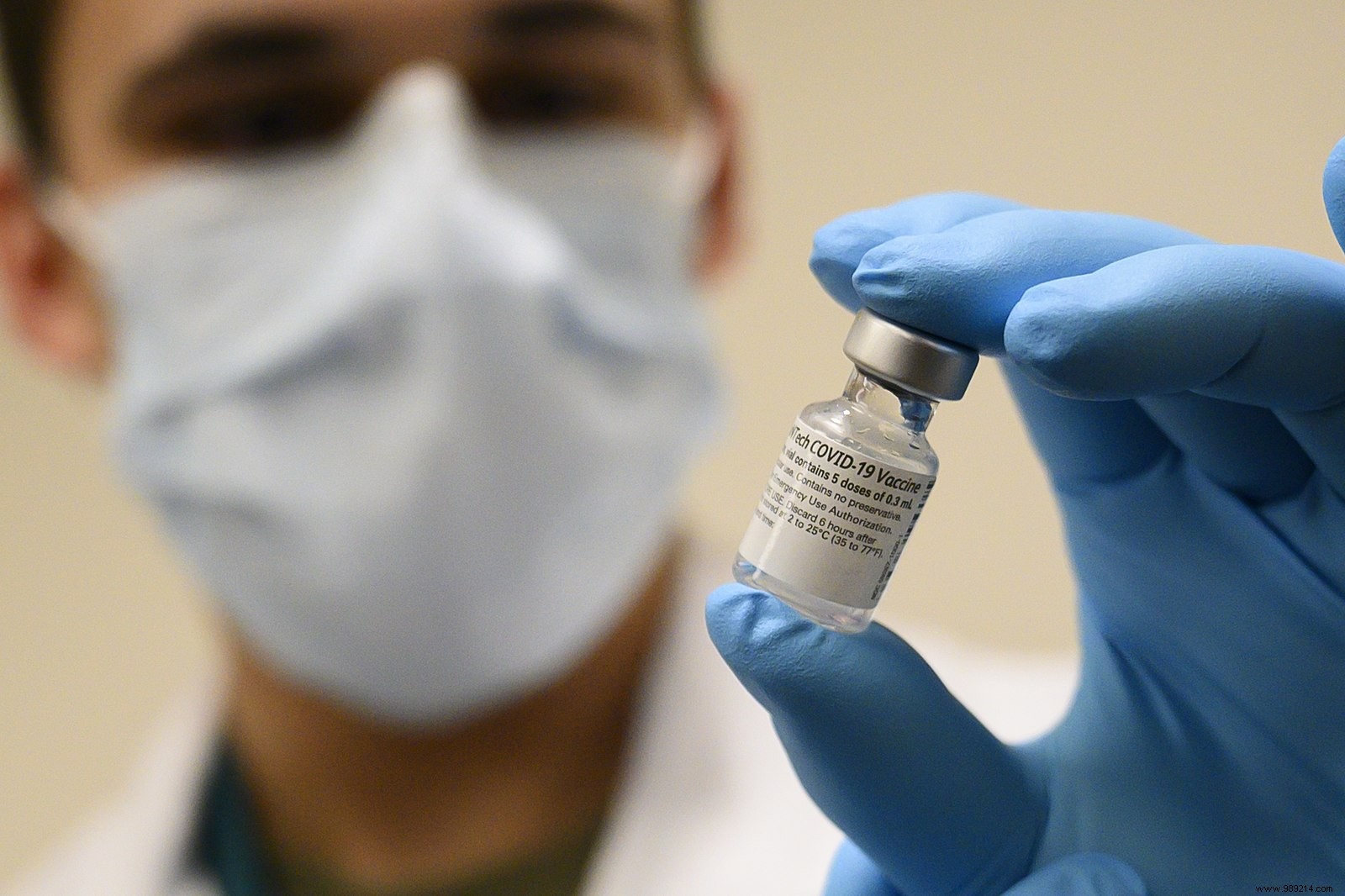
Health authorities expect widespread vaccination to curb transmission of these variants, including B.1.351, much like flu vaccines handle mutations.
Moderna and Pfizer/BioNTech confirm their vaccines remain effective against known variants and can be adapted if necessary.
