Rising atmospheric CO2 levels pose a growing threat to students' cognitive performance in classrooms. Recent findings presented at the American Geophysical Union Meeting build on prior research, underscoring the urgent need to address CO2's direct impacts amid escalating concentrations.
Discussions of rising carbon dioxide (CO2) in the atmosphere typically focus on climate impacts. As a greenhouse gas, elevated CO2 drives global warming, reshaping global flows of matter and energy in complex ways.
These changes raise alarms due to risks to property, stability, and human survival—including more frequent heat waves, intensified droughts, heavy rains, and rising sea levels causing coastal flooding. These are the well-documented indirect effects of CO2 on populations.
CO2 also affects us directly, such as through ocean acidification. Less discussed is its impact on human health. Homo sapiens has never experienced such high CO2 levels, raising questions about metabolic influences.
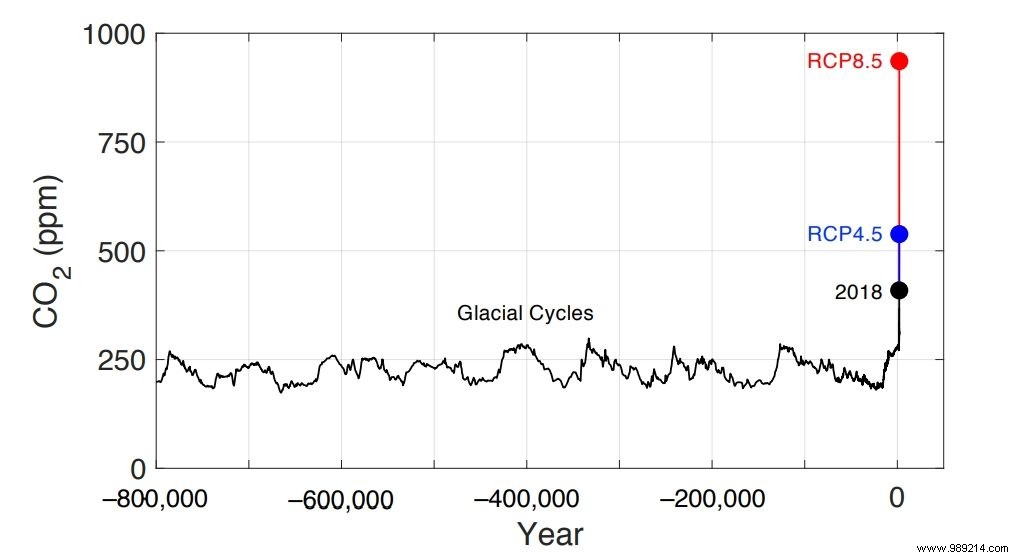
Research shows elevated blood CO2 (hypercapnia) reduces oxygen levels (hypoxemia), diminishing cerebral excitability. CO2-rich blood also becomes more acidic, promoting hypertension, confusion, drowsiness, and anxiety in high-CO2 environments.
Studies on this have focused on indoor settings, where groups in enclosed spaces without ventilation can see CO2 exceed 1000-2000 ppm. These findings inform building design but have rarely connected to broader climate science.
With outdoor CO2 rising, even open windows provide less effective ventilation. It's critical to assess how this affects cognitive performance indoors.
Scientists from the Universities of Colorado and Pennsylvania modeled elementary school classrooms under two scenarios: CO2 stabilizing or continuing to rise by century's end.

Results indicate a 25% decline in cognitive abilities by 2100 if CO2 stabilizes, or 50% if it rises unchecked—average figures that demand attention.
“We conclude that indoor CO2 levels may indeed reach values detrimental to cognitive abilities by the end of this century, and the best way to prevent this insidious consequence of climate change is to reduce emissions from fossil fuels,” states the study summary.
These direct CO2 effects must be taken more seriously in environmental research, as many mechanisms remain unclear and warrant further study.
Widespread cognitive decline would have profound implications, so we must anticipate scenarios and develop protections, especially if emissions reductions fall short.
Related articles:
