With fall underway and flu season approaching, if you haven't gotten vaccinated yet, the time to act is now.
Anyone who's experienced the flu knows its debilitating impact. Annual vaccination campaigns have proven effective in reducing its spread, but timing matters. Emerging research shows flu vaccine effectiveness wanes over time, making early vaccination your best defense.
A 2017 study by Centers for Disease Control and Prevention researchers analyzed data from four U.S. flu seasons to assess vaccine effectiveness decline. They found peak protection around two weeks post-vaccination, when the immune system fully responds.
Effectiveness against Influenza A (H3N2) and B viruses dropped 7% per month thereafter. For Influenza A (H1N1), it declined 6-11% monthly.
A more recent study across seven flu seasons confirmed this trend: each day beyond 28 days post-vaccination raised flu positivity odds by about 16%.
“While the root causes of waning immunity during the offseason are debated, it is increasingly difficult to deny the obvious of its existence,” noted two researchers in a 2021 editorial in Clinical Infectious Diseases.
To best shield against this season's flu surge, aim for vaccination by early November. Note: No benefit to a second dose in the same season if already vaccinated.
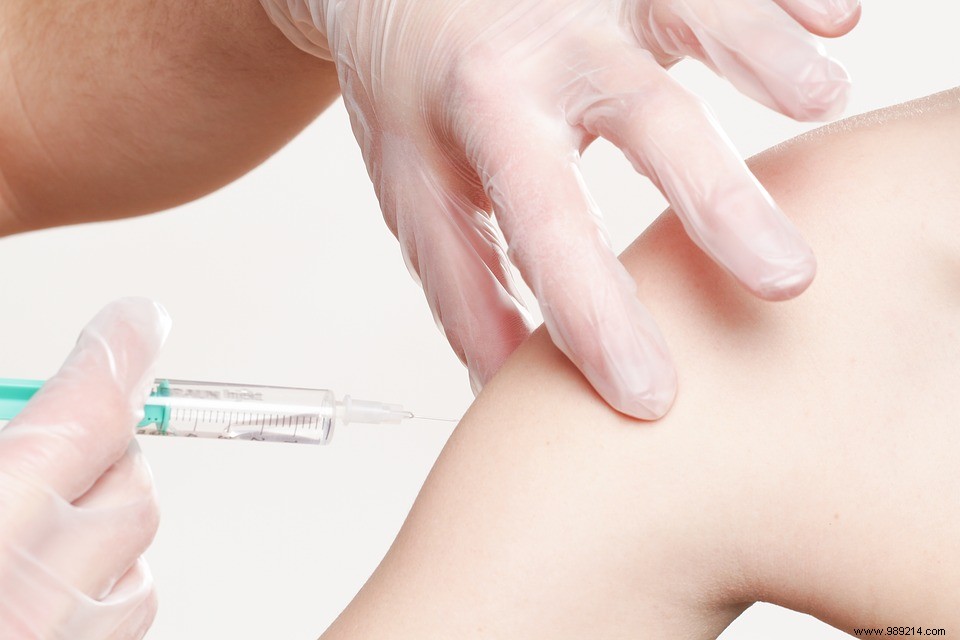
Flu vaccines have a strong track record. Beyond personal protection, they foster herd immunity, curbing transmission and safeguarding vulnerable groups like children, pregnant women, seniors, and those with weakened immune systems. In France alone, flu affects 2-6 million people yearly, causing around 10,000 deaths.
Convenient options include your general practitioner, nurses, midwives, pharmacies (new this year), or dedicated vaccination centers.
Source
Related articles:
