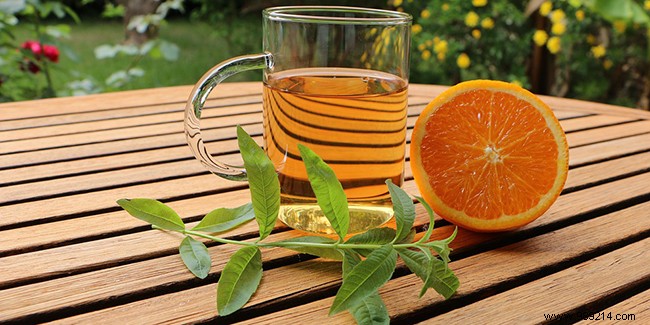
Verbena (Verbena officinalis) is a resilient perennial herb thriving across the globe, from Europe and Asia to Africa and beyond. Revered by ancient Celts and Romans for its mystical qualities, it's long been known as "witch's grass." For millennia, herbalists have harnessed its medicinal properties—once for love potions and warding off misfortune, now primarily in teas to address everyday health concerns.
For diarrhea, stomach aches, nausea, or bloating, verbena capsules offer natural support. Available at pharmacies, take two capsules with meals, following package instructions precisely. Consult a doctor if symptoms persist. Alternatively, prepare an infusion: steep sachets or loose leaves in boiling water for 10 minutes and sip after main meals.
In today's fast-paced world, stress and anxiety can disrupt sleep. Verbena's sedative and relaxing properties make it a go-to remedy. For insomnia, try verbena infusion. During acute episodes, verbena tincture provides quick relief—always adhere to product guidelines.
Many women face irregular periods or painful premenstrual symptoms monthly. Verbena herbal teas or capsules often bring effective, gentle relief.
With potent anti-inflammatory effects, verbena eases arthritis flare-ups, muscle contractures, aches, bruises, sprains, and rheumatic pains. For topical use, blend a few drops of verbena essential oil with a carrier oil like argan and massage into affected areas.
Verbena aids sinusitis treatment, especially when combined with elderflower, primrose, sorrel, and gentian root—blends available at pharmacies for acute or chronic cases.
Lemon verbena boasts antimicrobial properties. During flu-related fever, dilute three drops of its essential oil in hot water and inhale the steam to help lower temperature more quickly.
Verbena's vasodilatory and blood-thinning effects combat heavy legs and venous insufficiency. Mix 3-5 drops of essential oil with argan oil and massage upward from ankles to knees.
This highly concentrated oil requires careful handling. Avoid during pregnancy, breastfeeding, infancy, or young childhood. Always consult a healthcare provider first.
Capsules: Swallow with a full glass of water at mealtimes; follow leaflet dosage for your condition.
Infusion: Steep 1-2 teaspoons of leaves in a cup of boiling water for 10 minutes; drink after main meals.
Essential Oil: Add 2-6 drops to 250 ml hot water, up to twice daily.
Verbena is generally well-tolerated, though rare allergic reactions may occur due to interactions with liver enzymes, potentially affecting certain medications. It may also:
Exercise care if you have:
Monitor for interactions with antibiotics, anticoagulants, antidepressants, anti-inflammatories, hormone therapies (estrogen/progesterone), or iron supplements.
Key Note: No known food interactions to date.
Equipped with this guidance, incorporate verbena thoughtfully. Never discontinue prescribed treatments without medical advice—consult your doctor at the first sign of concern.
