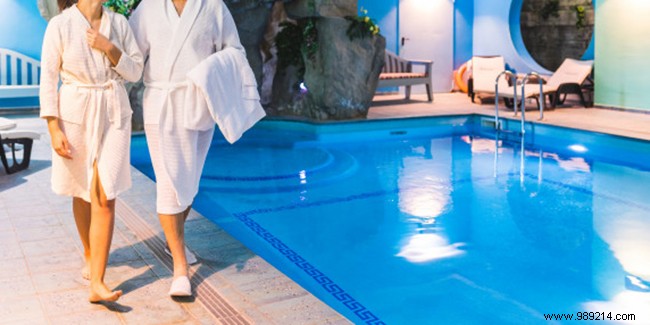
In France, reimbursements for spa treatments account for just 0.15% of the health insurance budget. Though a small fraction overall, fiscal restraint demands scrutiny of every expense. Coverage is partial, requiring a full three-week course to qualify, often leaving patients—especially those with modest incomes—to shoulder significant out-of-pocket costs. Here, we evaluate the true utility and value of these treatments based on rigorous evidence.
In 2000, France's General Inspectorate of Social Affairs (IGAS) issued a pivotal report labeling hydrotherapy as "deficient, heterogeneous, and poorly understood," with its "therapeutic interest disputed." Despite economic contributions, 96% of treatment days relied on health insurance funding. Rheumatology and respiratory care dominated, making up nearly 80% of activity among the 12 recognized orientations. The sector had not kept pace with evidence-based standards for health practices, and supporting publications lacked credibility.
Two decades later, substantial progress has occurred. The French Association for Thermal Research (AFRETh), established in 2004, has spearheaded studies validating hydrotherapy's effects.
A landmark 2008 study compared a three-week spa cure to the antidepressant paroxetine in 207 patients with Generalized Anxiety Disorder (GAD), roughly 100 per group. Spa treatment showed superior outcomes, though researchers candidly noted limitations: a mere two-month follow-up, small sample size, few rigorous trials in the field, and regional economic biases.
In 2009, a trial with 462 knee osteoarthritis patients on identical medications found spa participants achieved twice the pain relief and mobility gains compared to controls, persisting at nine months.
The 2011 MaThermes study reported modest 5% average weight loss among overweight individuals undergoing spa programs.
No studies yet assess whether spa treatments reduce overall healthcare spending.
Subsequent research has solidified benefits. France's High Authority for Health (HAS) endorses balneotherapy's analgesic effects for chronic low back pain and recommends it for rheumatoid arthritis, markedly enhancing quality of life via 20-30% reductions in anti-inflammatories and painkillers. Hot mineral water mists also alleviate hand osteoarthritis.
In dermatology, relief is evident for psoriasis, atopic eczema, and severe burns.
The 12 Health Insurance-covered orientations remain:
Not all spas are alike—thermal waters and muds vary by site, rich in sulphur, bicarbonate, sodium chloride, and other minerals with distinct physiological actions. Select stations match specific pathologies. Thermal medicine requires two years of specialized training, yet it struggles to attract young doctors, leaving general practitioners underserved by detailed guidance.
Beyond minerals, personalized protocols play a key role. For many, cures encourage greater physical activity—crucial for combating aging and chronic pain. They offer chances to adopt better food hygiene, movement habits, and lifestyle shifts. The respite from routine, staff attentiveness, and serene environment foster rejuvenation and confidence.
These psychosocial factors, though potent, resist precise quantification, contributing to hydrotherapy's evidence challenges versus pharmaceuticals. Small cohorts (often ~400 patients) pale against pharma trials of thousands.
Today, spa medicine stands as a gentle, natural approach leveraging ecological resources with virtually no adverse effects. For those wary of over-medication or invasive therapies, it offers a trustworthy alternative grounded in science and tradition.
