
Have you tried plant-based milks yet? These excellent alternatives to dairy offer a wealth of nutrients without the drawbacks of cow's milk.
As someone who's managed lactose intolerance through dietary changes, I've seen firsthand how switching to plant milks transformed daily health and digestion. They're nutrient-dense, free from many common allergens, and ideal when avoiding GMOs in traditional dairy.
Below, I compare the top options and their benefits, drawing from nutritional science and real-world use.

Before diving into specifics, here are the standout benefits supported by nutritional profiles:
1. No Lactose: Ideal for sensitive stomachs. Made from crushed grains, nuts, or seeds blended with water, these milks skip dairy lactose entirely. Only plant sugars and oils may be added for texture or fortification with calcium.
They typically have lower fats (lipids) and carbs too, aiding weight management.
2. Healthy Fats: Especially in nut-based varieties like almond, coconut, and hazelnut. These provide monounsaturated and polyunsaturated fats that support heart health.
3. Cholesterol-Free: Unlike cow's milk (which varies by whole, skim, or semi-skimmed), plant milks contain zero cholesterol.
4. Rich in Vitamins and Minerals: Plant-sourced, they're packed with essential nutrients naturally.
5. Mostly Gluten-Free: Options like almond, soy, and quinoa milks are naturally gluten-free, safe for most sensitivities. Note: Oat and spelt versions may contain traces.
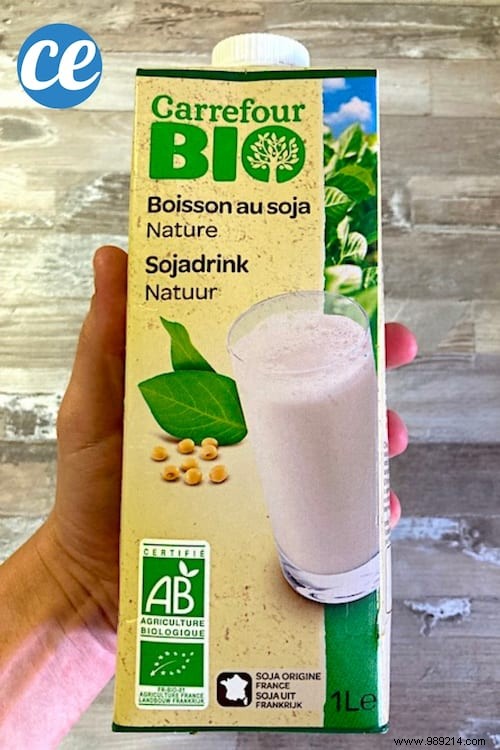
Soy milk is a staple, with its mild flavor mimicking dairy in both sweet and savory dishes. It's loaded with plant protein, fiber, and polyunsaturated fats that help lower cholesterol. Soy isoflavones also support bone health.
Recommended for: Vegans, vegetarians, and those with lactose intolerance. Flavors like chocolate or vanilla make it approachable.
Contraindicated for: Children under 3 and pregnant women, due to isoflavones' potential hormonal effects.
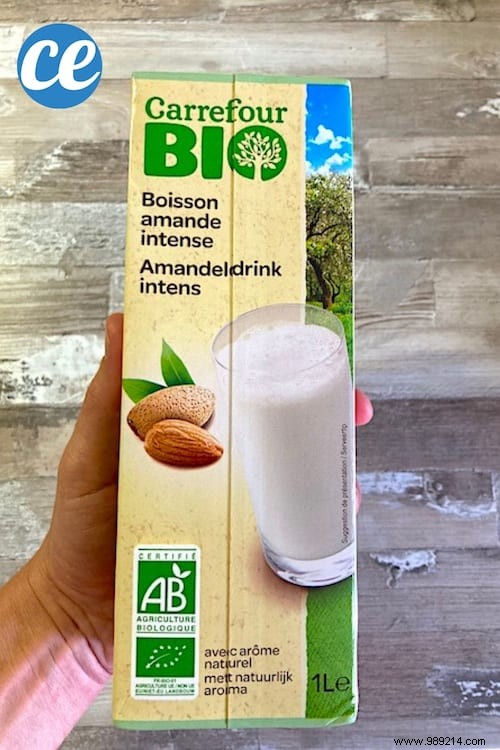
Lactose- and saturated fat-free, almond milk is gentle on digestion and perfect for sweet recipes. It's often fortified with calcium to match dairy levels.
Its smooth taste wins over families quickly.
Recommended for: Vegans and lactose-intolerant individuals.
Contraindicated for: Nut allergies.
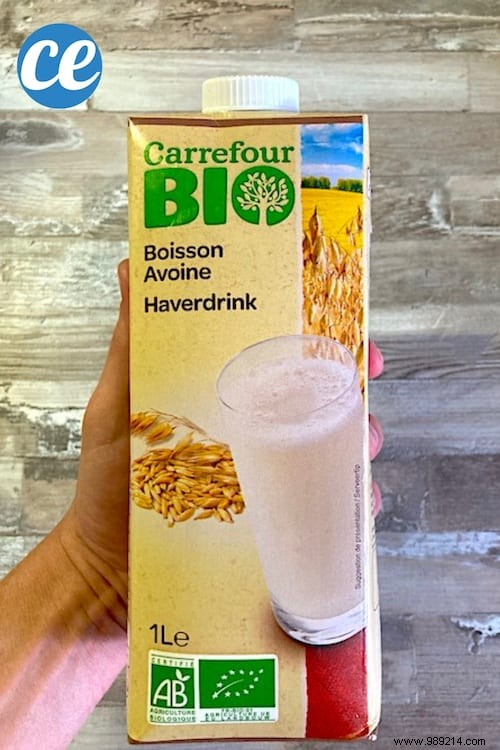
Derived from oats, it's high in fiber and complex carbs for sustained energy—great for breakfast smoothies or porridge. It stabilizes blood sugar and supports gut health. Quinoa milk offers similar benefits without gluten.
Recommended for: Vegans, lactose-intolerant people, and those seeking balanced energy.
Contraindicated for: Strict gluten avoiders (oat gluten is milder than wheat's).
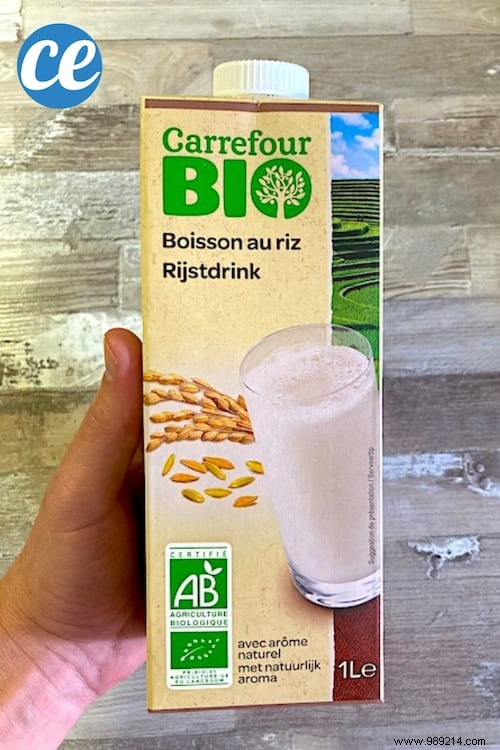
Its naturally sweet taste delights children. Opt for unsweetened versions to avoid added sugars. Rich in carbs for energy and silica for calcium absorption. Available in fun flavors for transitioning from dairy.
Recommended for: Easing into plant milks.
Contraindicated for: Those watching sugar intake. Click here to find out how to make it yourself.
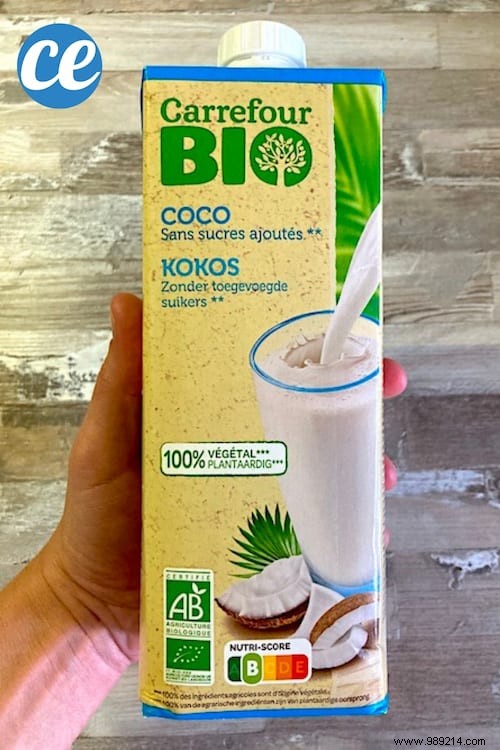
Distinguish canned coconut milk (for cooking) from the lighter beverage version, ideal for sweets, smoothies, or exotic dishes. Despite saturated fats, they benefit heart health; plus, high fiber aids digestion and weight control. It's naturally hydrating.
Recommended for: Athletes and pregnant women for remineralization.
Contraindicated for: Coconut allergies or poor tolerance.
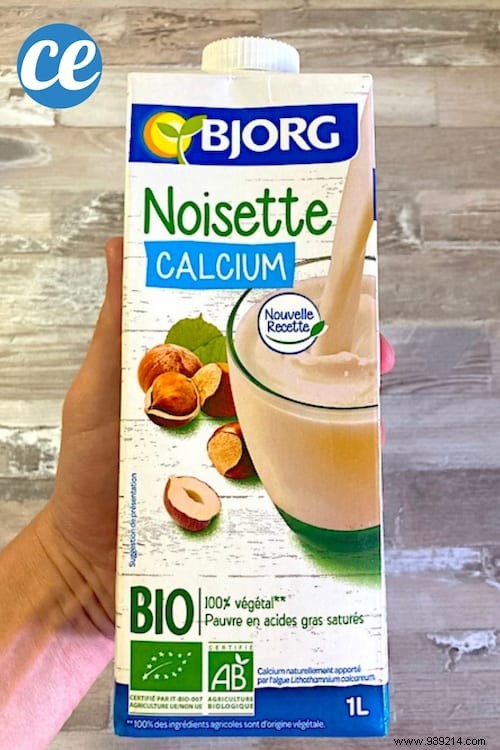
Exceptionally tasty and digestible, hazelnut milk brims with vitamins, minerals, phosphorus, calcium, and folic acid. Monounsaturated fats protect nerves and heart. Similar to chestnut milk: creamy, flavorful, gluten-free.
Recommended for: Gluten-sensitive individuals, growing kids/teens, and pregnant women.
Contraindicated for: Nut intolerances.
