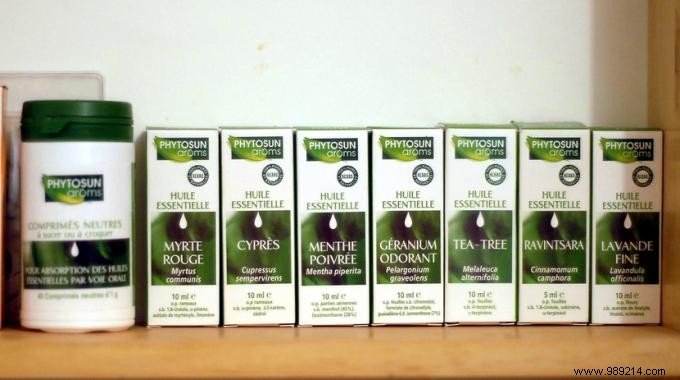
Many believe that 'natural' means safe for health—a dangerous misconception, especially with potent essential oils. As an experienced aromatherapist, I've guided countless clients on safe practices. Here are proven tips to use them effectively without risks.
Essential oils, derived from plants, pack concentrated aromatic compounds with real therapeutic potential. Like any potent remedy, they require respect: follow contraindications and precautions to avoid side effects.

Essential oils offer three primary application methods, backed by years of clinical aromatherapy practice:
1. By diffusion
In diffusers to benefit from airborne effects or simply fragrance your space.
2. By topical application
Diluted or mixed, such as in homemade soaps—for example, see my trusted homemade soap recipe.
3. By ingestion
Add a few drops to food for flavor or therapy: typically 1 drop per 25 kg body weight for adults, max 3 drops daily for children under 6, always diluted.
Essential oils aren't water-soluble, so blend with carrier oils, alcohol, or honey.
To discover: 5 Good Reasons to Use Essential Oils EVERY Day.
Store upright in a cool, dry, light-protected spot away from temperature fluctuations and children.
Ignoring precautions risks photosensitization, convulsions, skin irritation, allergies, neurotoxicity, or organ damage—especially for vulnerable groups like infants, children, elderly, pregnant, or breastfeeding individuals.
Consult an aromatherapist or doctor first. Key rules from my practice:
Strictly avoid during the first 3 months of pregnancy. Use others only under medical supervision, as most are incompatible.
No ingestion for pregnant/nursing women, young children, or elderly; some oils are never for internal use.
For skin: Avoid mucous membranes and eyes. Test for allergies. Wash hands post-use. Dermocaustic oils demand extra dilution.
Never overheat—properties degrade, and risks rise.
Not for animals, especially cats.
To discover: Essential Oils: 16 Things You Absolutely Need to Know Before Using Them.
Handle these common ones with care (non-exhaustive list from professional guidelines):
• Eucalyptus: Avoid in young children; always dilute topically—seizure risk.
• Peppermint, thyme, cinnamon, clove: Always dilute—skin irritation risk.
• Citrus (bergamot, angelica): Photosensitizing—skip before sun exposure.
• Lemon balm, Ceylon cinnamon, peppermint: Allergy potential—patch test: 1 drop in 1 tbsp sunflower oil on wrist.
Consult your doctor or certified aromatherapist for personalized advice. I've trained many safely this way.
Don't swear them off—their benefits shine with proper use.
Countless applications await:
To discover: 33 Amazing Uses of Peppermint Essential Oil.
Daily woes: Lavandin combats lice; thyme eases colds.
To discover: Thyme Essential Oil: Its Benefits and Uses to Know.
