Dietary fiber is a cornerstone of good health, helping lower the risk of obesity, constipation, heart disease, stroke, colon cancer, esophageal cancer, and type 2 diabetes. Yet, shockingly, 90% of Dutch adults fall short of recommendations. Food manufacturers often fortify products with added fiber, but does it deliver the same benefits as natural sources?
Read also: Why are fibers important for your body?
Dietary fibers are indigestible carbohydrates from plant foods that the small intestine can't break down. They fall into two main categories: soluble and insoluble.
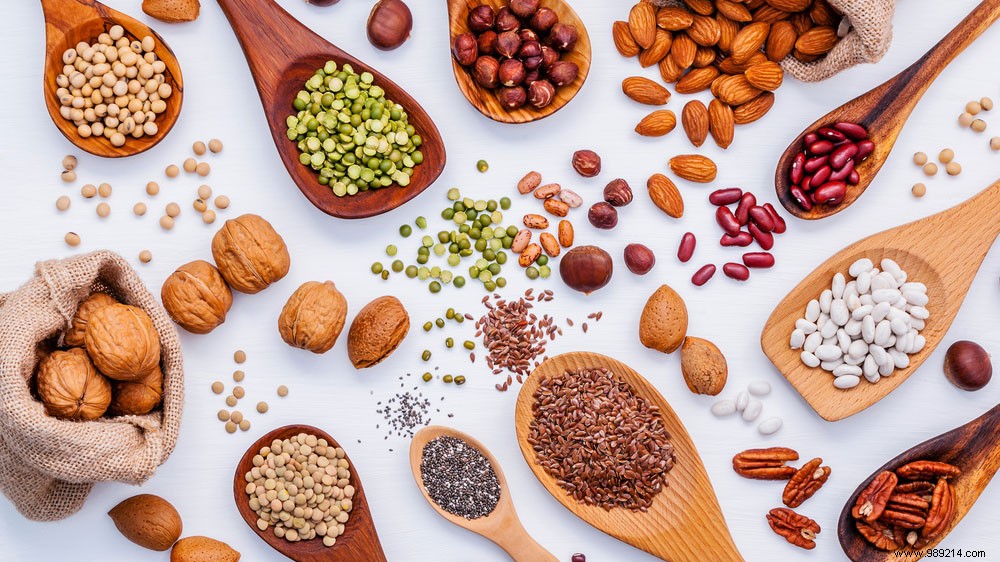
Found in bran, muesli, oatmeal, nuts, seeds, and whole-grain products like bread and pasta, insoluble (or non-fermentable) fiber passes through the small intestine intact. In the large intestine, it acts like a sponge, absorbing water to soften stool and promote smooth bowel movements. It's especially helpful for those prone to constipation.
Common in vegetables, fruits, cruciferous veggies, and legumes like white beans, brown beans, lentils, and chickpeas, soluble (or fermentable) fiber slows stomach emptying to keep you feeling full longer. It also nourishes beneficial gut bacteria, supporting microbiome recovery after antibiotics.
There's no strict upper limit—ramp up your intake confidently. Overdoing it occasionally might cause bloating, gas, or diarrhea, but you'll naturally adjust next time.
The Health Council recommends 30-35 grams daily for women and 40 grams for men. Yet, RIVM data shows Dutch women average just 19 grams and men 23 grams. Fiber is vital for health but works best alongside exercise and hydration—not a standalone nutrient like vitamins.
Added fibers now appear in white bread, rice, and even chocolate spreads, often imitated or sourced differently. Research hasn't confirmed they match natural fibers' effects. Packaging claims can be misleading—lower amounts or wrong types (like soluble onion fiber in bread instead of insoluble grain fiber)—potentially causing flatulence.
This article previously appeared in the April issue of Santé (2018) | Image: Shutterstock
