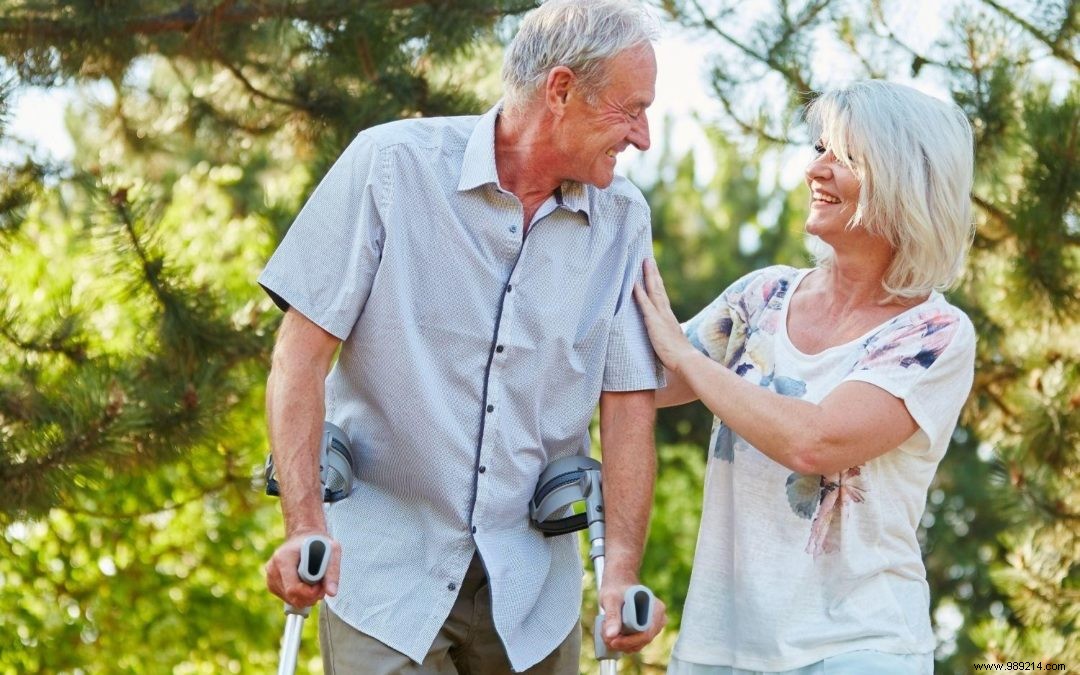
Falls can occur at any age, but they pose a grave threat to seniors, becoming the leading cause of death in this group. One in three people over 65 experiences at least one fall per year, and nearly 10,000 seniors die from falls at home annually. Post-pandemic isolation has sparked renewed interest in outdoor activities, heightening fall risks for older adults.
Follow our expert-backed advice to support and prevent falls for seniors, whether at home or outside.
According to France's National Institute for Health and Medical Research (Inserm), falls account for nearly 50% of accidental deaths in daily life among the elderly. In 40% of cases, hospitalization is required.
Not all falls result in severe injury. Severity varies by type. If you witness a fall, quickly evaluate it:
Loss of consciousness signals higher severity. After calling emergency services, reassure the person and keep them awake by talking to them.
Risk factors include environmental hazards, unsuitable homes, health issues causing imbalance (e.g., Parkinson's or Alzheimer's), or nutritional deficiencies. Age-related changes are often primary culprits:
Falls can lead to profound physical and psychological effects. Key consequences include:
To mitigate these risks and recurrences, implement multifaceted prevention strategies.
Evidence shows prevention measures reduce fall risk by 24%. Effective approaches span environments, habits, and medical care.
Adapting living spaces is one of the most effective strategies. Remove obstacles like slippery floors, rugs, or cords. In bathrooms, install grab bars or shower seats. Avoid risky tasks like window cleaning, bulb changes, or heavy lifting—enlist home help instead.
Regular medical checkups enable targeted prevention: glasses for vision loss, hearing aids, or mobility aids like canes. Encourage regular exercise to boost physical and mental health. Build a support network of family, neighbors, or caregivers for regular visits.
Post-fall assessments identify causes. Hospitals may prescribe tests, blood work, or mobility evaluations. For malnutrition, dietitians can design re-nutrition plans. Psychological support addresses trauma, while physiotherapy rebuilds walking confidence.
After a fall, consider telecare or home assistance services for peace of mind.
Our remote monitoring and professional home visits provide listening, support, and oversight. Trust us for your recovery—we're committed to your safety.
If a fall occurs, act fast—even without visible injury. Consult a doctor or call emergency services (15 in France) to prevent complications.
https://www.santepubliquefrance.fr/ Maladies-et-traumatismes/traumatismes/chute/documents/enquetes-etudes/chutes-des-personnes-agees-a-domicile.-caracteristiques-des-chuteurs-et-des-circonstances -of-the-fall.-hospitalization-component-of-the-chupadom-survey
https://www.inserm.fr/expertise-collective/activite-physique-et-prevention-chutes-chez-personnes-agees/
https://www.silvereco.fr/chute-de-la-personne-agee-causes-consequences-et-prevention/3187245
https://www.ameli.fr/gironde/assure/sante/bons-gestes/seniors/prevenir-chutes-personnes-agees
