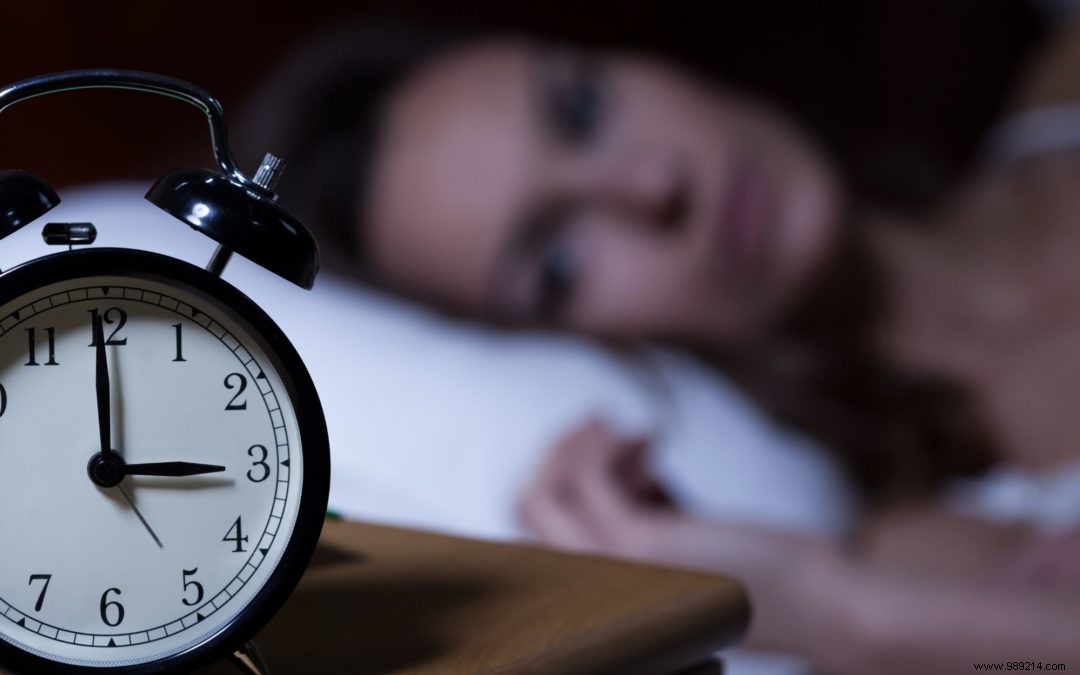
Sleep is essential for preserving our health. Poor sleep, even for one night, disrupts physiological balance, physical performance, and cognitive function.
Insomnia affects about one in five French adults, but other issues like sleep apnea syndrome, restless legs syndrome, or rare narcolepsy can also hinder restful sleep. If good sleep hygiene doesn't resolve persistent problems, consult your doctor. They may recommend evaluation at a sleep center.
Challenges falling asleep or mid-night awakenings often stem from temporary factors like poor habits or stress. Once addressed, sleep quality typically improves. However, chronic insomnia requires professional support.
Affecting 5-15% of adults depending on age, this involves pharyngeal narrowing during sleep due to muscle relaxation, causing snoring and airflow obstruction. Complete blockages lead to apneas lasting 10+ seconds, occurring hundreds of times nightly. This fragments sleep, causing daytime drowsiness, attention deficits, and mood issues, plus long-term cardiovascular risks. Targeted treatments can eliminate apneas.
Impacting 8% of French people yearly, this neurological issue causes uncomfortable leg sensations worsened by immobility, especially evenings. Movement relieves it but disrupts sleep onset or continuity. Effective treatments exist, so consult a specialist.
Narcolepsy features sudden daytime sleep episodes, often with cataplexy (emotion-triggered muscle weakness), hallucinations, or sleep paralysis. Idiopathic hypersomnia causes excessive daytime sleepiness. Medications help manage symptoms and improve quality of life. Sleep centers offer diagnostic tests like polysomnography (PSG), multiple sleep latency tests (MSLT), or maintenance of wakefulness tests (MWT).
Seek sleep specialists, somnologists, sophrologists, or hypnotherapists. Visit a sleep center if apnea is suspected.
Chronic insomnia involves difficulty falling or staying asleep, or early awakenings, occurring 2-3 nights weekly for a month+, affecting daytime function like fatigue and alertness. Identify causes—lifestyle issues, anxiety, overwork—and address them without relying on pills. Basic hygiene often suffices; otherwise, see your doctor for potential underlying disorders.
In France, 13-20% of adults use hypnotics occasionally, 10% regularly. Short-term use is generally safe, but long-term reliance risks addiction, impaired alertness, slowed reflexes, memory issues, and accidents—especially driving or in hazardous jobs. Elderly face heightened fall and fracture risks. Many sleep aids lack proven efficacy and carry side effects.
Sleep can trigger unconscious behaviors like walking, talking, or sensory experiences—known as parasomnias—during sleep transitions or deep sleep. Usually benign but sometimes disruptive.
Common in boys aged 3-6, these panic episodes occur early in deep sleep without full awakening or recall. Triggers include stress, fatigue, or routine changes. Frequent episodes warrant medical advice.
Deep-sleep actions like walking or talking, eyes open but unaware, with no memory. Factors: genetics, stress, deprivation. Prioritize safety (secure home) and hygiene; consult if frequent.
Jaw clenching/grinding disturbs others and wears teeth. Stress-related; see a dentist if regular.
Bedwetting in deep child sleep; typically resolves naturally.
Sleep's benefits are clear, but disorders like insomnia, apnea, narcolepsy, or parasomnias like terrors and sleepwalking challenge recovery. Quality sleep demands effort amid modern life.
