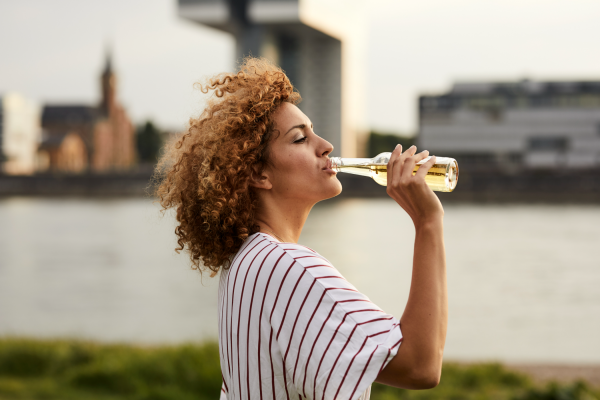
If you've ever overindulged in alcohol, you know that uneasy restlessness the next day. You might want to tackle tasks but lack the drive, or lie in bed gripped by panic, swearing off drinking forever. What sparks this anxiety? Why can't we just ride out a hangover? Here's a breakdown of why alcohol triggers stress, backed by how it affects the body, and practical steps to manage it.
Alcohol often brings initial euphoria and relaxation. But overdo it, and moods shift to restlessness or panic. As alcohol metabolizes, your body feels sedated while your brain rebounds from suppressed activity, creating hyperactivity and anxiety.
Read also: 'Just as Tasty: 3 Summer Cocktails Without Alcohol'
A relaxing glass of wine can backfire. Excess alcohol dehydrates you, lowers blood sugar, leading to fatigue, irritability, nausea, and heart palpitations – all fueling stress and discomfort.
Blackouts from heavy drinking erase memories, leaving you anxious about what happened. This uncertainty naturally heightens stress.
The simplest advice: savor a glass or cocktail without excess. Moderation prevents the anxiety of a severe hangover.
Water combats dehydration and its fallout. Drink plenty before, during, and after alcohol to minimize hangover stress – but pair it with measured drinking.
Avoid frequent sessions. After one night, give your body days to recover with good sleep, steering clear of 'hair of the dog' to prevent buildup of anxiety.
Brain-Derived Neurotrophic Factor (BDNF), a vital neurotrophin, strengthens neurons, supports metabolism, and cuts risks of depression or mental health issues. Increase it through exercise, meditation, and social connections – watch anxiety fade, buffering against extra drinks.
Meditation promotes relaxation and emotional resilience. If practiced often, it helps navigate hangover unease. New to it? Use guided apps. Keep calm and don't drink too much…
