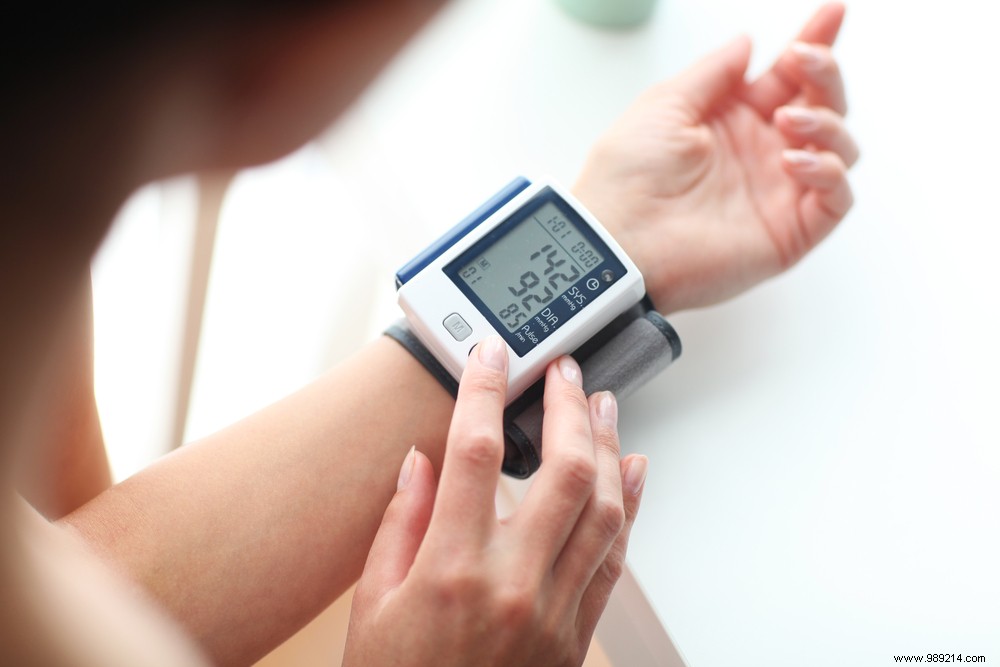
Approximately 1 in 4 adults in the Netherlands lives with high blood pressure, increasing to 1 in 2 among those over 65. This silent condition heightens the risk of cardiovascular diseases. Fortunately, proven lifestyle changes can help control it.
Your blood pressure reading includes two key values: systolic pressure (the force when your heart contracts) and diastolic pressure (the force when your heart relaxes). You have high blood pressure if your systolic exceeds 140 mmHg or your diastolic exceeds 90 mmHg. Readings can fluctuate throughout the day, so measure multiple times for accuracy.
Read also: 'Black tea lowers blood pressure'
Blood pressure naturally varies—lower at night and higher in the morning—but consistently elevated levels strain your arteries, raising risks of stroke, heart disease, and kidney damage. Nutrition is a powerful tool for management.
Limit licorice and liquorice, which contain glycyrrhizic acid that elevates blood pressure. Reduce coffee, tobacco, and alcohol intake. Instead, incorporate more vegetables, fruits, and fiber-rich fresh foods.
Excess salt causes fluid retention, increasing blood volume and forcing your heart to work harder. Aim for no more than 6 grams of salt daily. About 80% comes from processed foods like bread and cheese, with only 20% from table salt.
Opt for fresh ingredients and scrutinize nutrition labels for sodium on packaged items. Skip ready-made sauces and marinades—make your own. Flavor with herbs and spices like chili, basil, and parsley. Caution: Avoid herbs like ephedra or ma huang, which can raise blood pressure.
Physical activity lowers blood pressure by widening blood vessels and boosting circulation. Post-exercise, levels often drop for 5 to 15 hours, while also combating stress, anxiety, and excess weight.
Aim for at least 30 minutes of moderate exercise daily, such as brisk walking or gardening—no intense workouts required.
Some drugs, including NSAIDs, aspirin, and certain birth control pills, can elevate blood pressure as a side effect.
Consult the package insert and discuss with your doctor.
Source: Santé December 2019, text: Mara Ruijter
