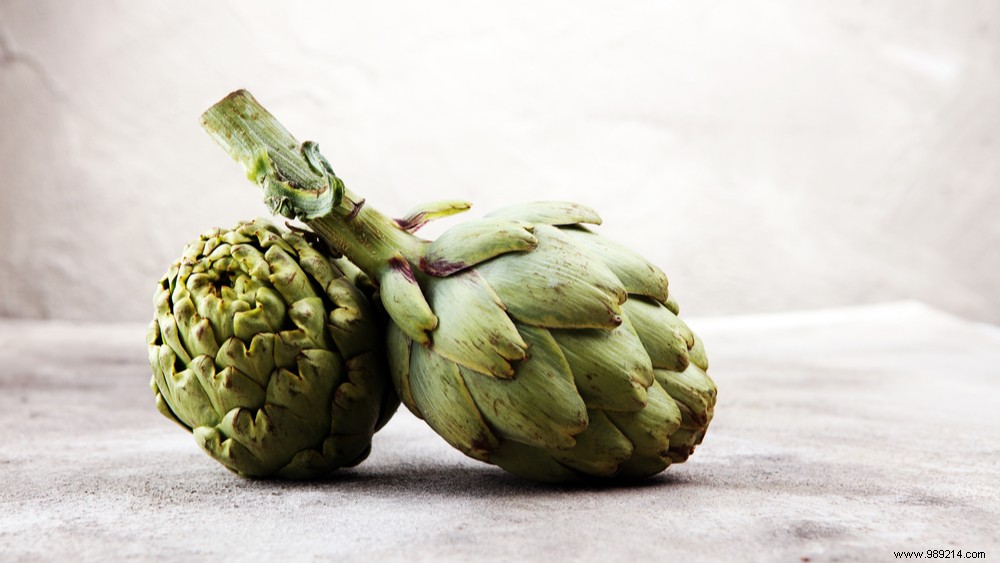
We all crave chips and chocolate, but who yearns for raw endive or Brussels sprouts? Yet, as nutrition experts know, regularly including bitter foods in your diet offers significant health advantages.
Bitter is one of the five basic tastes—alongside sweet, salty, sour, and umami. Most people don't rank bitter flavors among their favorites. Research from Wageningen Food & Biobased Research shows this stems from an evolutionary instinct: bitterness in nature often signals potential toxins. Meanwhile, our innate preference for sweetness dates back to prehistoric times, when it indicated energy-rich foods essential for survival.
Read also: “5 tips for a winter salad”
Bitter compounds work opposite to sweets by regulating insulin levels and keeping blood sugar steadier. This reduces energy crashes and curbs binge-eating tendencies.
Ever notice Brussels sprouts and chicory tasting less bitter today? You're right—breeders have selectively crossed them with sweeter varieties for broader appeal. Still, modern options retain valuable bitter compounds. Opt for organic produce, which preserves these through pesticide-free methods and heirloom varieties.
Bitter foods deliver vitamins A, D, E, and K, plus sulfur. These stimulate bile and stomach acid production for better digestion, enhance intestinal motility, and improve nutrient absorption.
Bitter foods promote liver function and natural detoxification processes.
Eating bitters regularly diminishes sweet cravings and helps you feel full sooner.
Ongoing research explores bitter substances' therapeutic potential. Chicory root compounds, for instance, show promise against diarrhea, burns, flu, neurological issues, cardiovascular disease, and even cancer.
Source: Santé February 2019. Text: Annemieke de Gier
