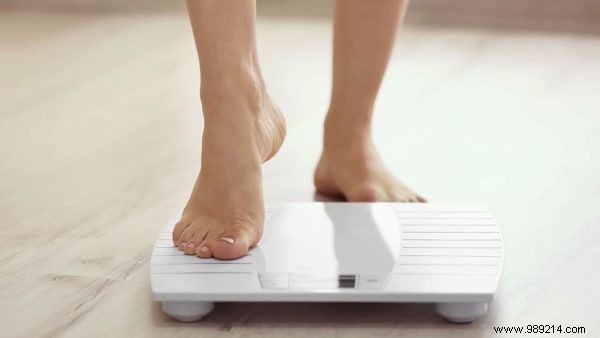
What can go wrong when you step on the scale? More than you might think. As experienced health professionals advise, here are 5 key points to ensure precise measurements every time.
For accurate readings, place your scale on a hard, level surface like tile flooring. Avoid soft carpets or uneven natural stone, which can skew results.
Read also: Why we don't need a scale
Consistency is key—stick to one scale for reliable tracking. Different scales may have slight calibration differences, leading to unexpected variations and misleading data.
Weigh once a week on the same day and time for the best comparison. Morning after using the bathroom is ideal, and do it naked for precision.
Position your feet together and remain still. Avoid bending your knees to peek at the display—simply lower your head instead.
No need to stress. Normal fluctuations of 1 to 2 pounds occur due to fluid retention, digestion, hormones, and more. Remember, scales don't reveal muscle vs. fat composition, which matters most for health.
