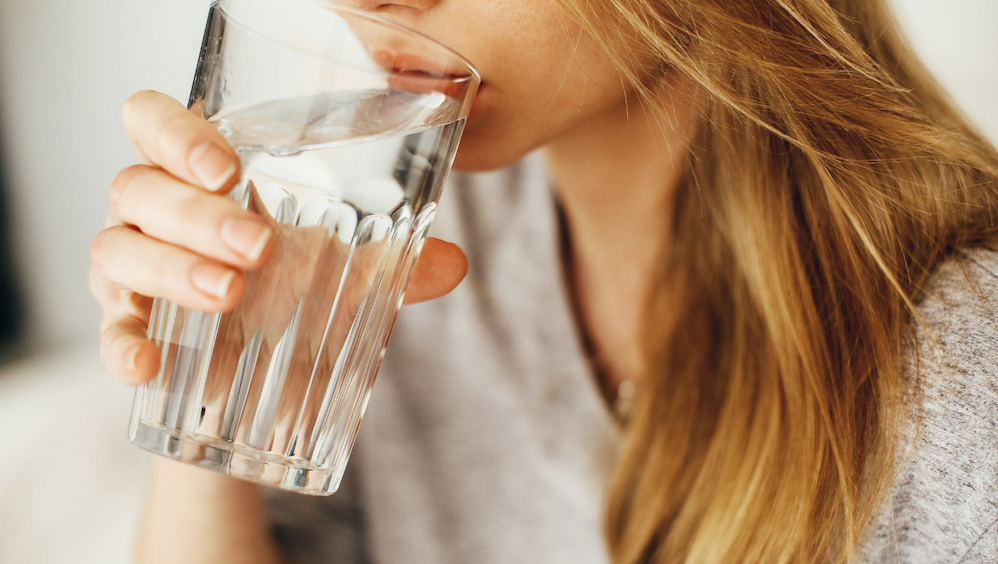
Ever wondered exactly how much water your body needs daily, why hydration matters, and the effects of too little or just right? As hydration experts backed by the Nutrition Center recommend, understanding your fluid needs is key to optimal health.
A woman's body is about 52% water—11% less than a man's on average. Daily, we lose roughly 2.5 liters through sweat, breathing, and urination. We replenish this via food, beverages, and metabolic water from oxidizing nutrients.
Needs vary by individual, but a reliable formula is your body weight in kilograms multiplied by 30 milliliters. The Nutrition Center advises 1.5 to 2 liters of fluids daily for most adults (excluding alcohol, which dehydrates). Children need 1 to 1.5 liters, while older adults should aim for 1.7 liters. Check your urine: pale yellow to clear signals good hydration; yellow to orange means drink up.
Not at all. The Nutrition Center endorses water alongside black tea, green tea, herbal infusions, and coffee—up to two to four cups daily may even offer health perks. Skip sugary drinks and alcohol.
Tap water wins: it's eco-friendly compared to bottled spring water, cost-effective, calorie-free, and widely accessible.
Dehydration reduces thirst and urination as your body conserves fluids—a red flag. Water regulates temperature, flushes waste, and delivers nutrients. Insufficient intake leads to poor focus, fatigue, headaches, and worse during exercise. Learn if extra fluids are needed during workouts.
Adequate water eases digestive issues, reduces skin problems, stiffness, and joint pain while enhancing skin health—vital for everyone, especially those with gut concerns.
Also read: Does drinking water help after spicy food?
