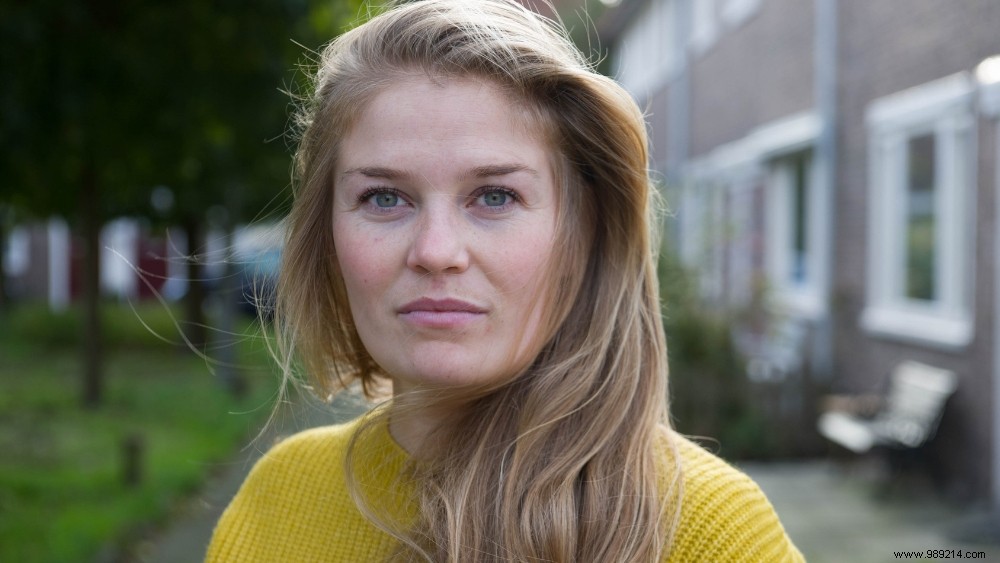
Annemiek lives with recurrent depression.
Research by the RIVM for the Brain Foundation reveals that 1 in 4 people in the Netherlands experiences a brain disorder. Annemiek Lely is one of them, managing recurrent depression. She's now thriving, depression-free for 2.5 years, and serves as an ambassador for the Brain Foundation.
‘I have a certain vulnerability,’ Annemiek explains. "While trauma can trigger depression in others with a clear cause, mine started at 15 without one obvious reason. A pediatrician once likened it to anorexia: many children have the predisposition, but triggers activate it. For me, it's similar—a genetic vulnerability where depressive feelings lurk just beneath the surface. Where others' door is shut tight, mine stays slightly ajar."
I keep that door from swinging wide by prioritizing exercise, rest, and boundaries. Depression is elusive. My last episode, starting 3.5 years ago and lasting a year, felt heavier than profound sadness. Amid negative thoughts and fears, the physical toll hits hardest: overwhelming fatigue that demands sleep, tension in my hands, pressure on my chest. At my lowest, I long to curl up in a corner and vanish from the earth. Weeks later, joy flickers, but the weight lingers. Only when it lifts do I feel truly free.
Read also: What is depression?

"Depression isolates you—no one else feels what you do. Despair persists, even with support. My parents always take me seriously, never blaming. My boyfriend sees beyond the illness. It's tough for them too, feeling powerless, but their unconditional love sustains me."
Having someone check in is vital during depression. Yet during my last episode, I faced a waiting list at my lowest—terrifying and risky. The me now brims with plans, but depression can unleash suicidal thoughts. An old diary entry read, 'I don't think I'll make it to 30.' It reminds me depression lurks. But next year, I turn 30 and will celebrate. Depression-free for 2.5 years, I savor every moment—when joy returns, I seize it fully.

A psychiatrist prescribed medication early, but I started at 20, resisting due to stigma and self-reliance. I thought hard work could banish it, unaware of genetic factors. It's like asking someone with ADHD to sit still all day—unrealistic. Better to learn coping strategies.
Read also: Thanks to my 'happy pills' I am myself again
That psychiatrist also recommended mindfulness and yoga. Despite my poor flexibility and balance, yoga's holistic benefits ground me, reconnecting mind and body—disconnected during episodes. Exercise fosters wholeness and health.
Shame once silenced me, but my last depression taught self-acceptance. This is who I am; depression is lifelong. I now speak openly, connecting with the Brain Foundation, which champions transparency around mental health taboos. People praise my candor as if it's extraordinary—yet no one lauds discussing a broken leg.
Beyond openness, the Brain Foundation pushes for research—crucial given how little we know about the brain. I'd gladly participate as a study subject. My mission: normalize mental health discussions and offer hope. Countless suffer from depression; I show recovery and growth are possible. People may forget me, but my story endures.
Read also: How to recognize depression
Text: Jolien van der Kamp-Gielleit | Images: Oscar Seykens
