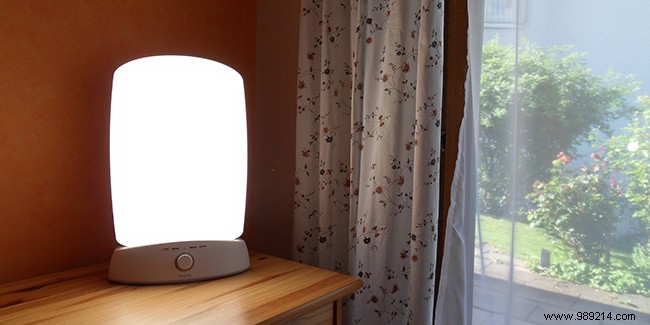
As seasons shift, many notice a mood boost with sunnier days. Yet, extended winters—exacerbated by events like the Covid-19 pandemic—can trigger the blues, clinically known as Seasonal Affective Disorder (SAD, or Seasonal Affective Disorder). Beyond everyday stresses, diminished sunlight disproportionately impacts the elderly, those with health conditions, and women. Light therapy offers a science-backed solution to manage this seasonal depression when used correctly.
Without natural sunlight, light therapy employs specialized lamps that mimic daylight. Skip desk lamps or garden spotlights—even LED ones with white light—won't suffice.
The key distinction is the light spectrum: therapy lamps exclude harmful ultraviolet (UV) rays that damage skin and eyes. Illuminance is measured in lux; summer sun at zenith reaches 120,000 lux, dropping below 10,000 lux on cloudy days. Short winter days and indoor lifestyles reduce exposure, disrupting internal balance and causing fatigue, low energy, weakness, sadness, and gloom.
Pioneering psychiatrist Dr. Norman E. Rosenthal and his team defined SAD in 1984, introducing light therapy as a treatment. Research advanced, leading the American Psychological Association to endorse it in 2006 as a first-line therapy for seasonal depression and select sleep disorders.
A 2019 study by French researchers from Bichat-Beaujon Hospital in Paris and Strasbourg University Hospital, published in Sleep Medicine Reviews, confirmed light therapy's benefits rival antidepressants for SAD, with combined use accelerating results.
Mimicking sunlight, it regulates biological rhythms, melatonin (the sleep hormone orchestrating chronobiology), and serotonin (the 'happiness hormone').
Beyond SAD, it's effective for chronic depression, postpartum mood issues (ideal for breastfeeding mothers avoiding meds), chronic fatigue, sleep disorders, and insomnia—common in seniors.
Early use in Alzheimer's may slow biological clock cell degeneration. It also eases apathy, poor concentration, eating issues, and jet lag, potentially reducing antidepressant needs while boosting mood and sleep-wake cycles for homebound elderly.
Position 30cm from a 10,000 lux lamp for 30 minutes daily in the morning—post-shower or with coffee—from September to April. A 5,000 lux model requires 60 minutes. Continue activities like reading, eating, or working, ensuring your face gets direct light.
Benefits typically emerge within a month. Mild side effects (eye strain, headaches, nausea) may signal overly quick starts; ease in gradually.
Consult a doctor for conditions like age-related macular degeneration (AMD). Opt for 10,000 lux white-light lamps with UVA/UVB filters, CE-marked (93/42/EEC), priced €70–200+ based on features like adjustability and portability.
