As a certified aromatherapist with over a decade of experience, I rely on essential oils daily for their proven therapeutic benefits.
These potent extracts, made purely from powerful active compounds, deliver remarkable results—but only when used correctly. Always follow recommended dosages and treatment durations.
Here are the 16 crucial precautions I advise all my clients to know before starting with essential oils:
1. Pregnant, breastfeeding, or using on children? Certain essential oils are contraindicated. Consult a qualified aromatherapist to ensure safety.
2. Never apply essential oils directly to mucous membranes, such as eyes or nostrils. Avoid ingestion unless specifically prescribed by a healthcare professional.
3. Photosensitizing oils—like citrus essences or those with furocoumarins (e.g., grapefruit)—increase skin sensitivity. Avoid sun exposure after application.
4. For baths, always dilute essential oils in a neutral base like soap or shampoo first. They don't mix directly with water.
5. Always wash your hands thoroughly after handling essential oils.
6. Store bottles securely, out of reach of children and pets.
7. Test new oils with a patch test: apply a drop to the inner elbow and wait to check for reactions.
8. Never apply undiluted. Always dilute in a carrier oil like coconut or sweet almond oil.
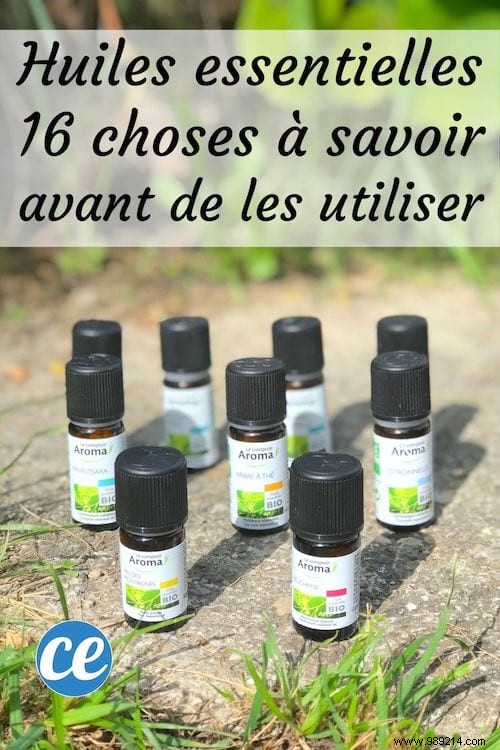
9. Keep bottles tightly closed to preserve potency.
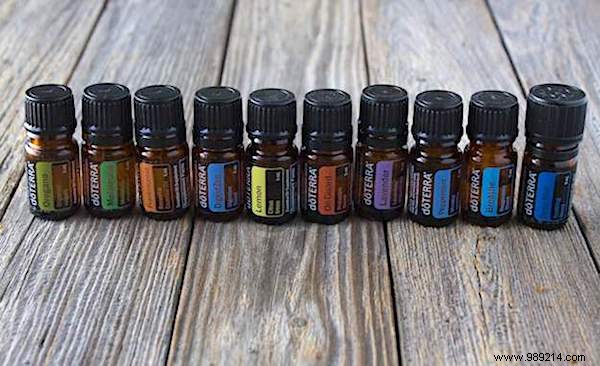
10. Store in a cool place away from heat and light.
11. Refrigerate sensitive oils like lemon or orange, and use within 2 years of manufacture.
12. Hydrosols (distillation waters) need cool storage and should be used within one year after opening.
13. Eye contact? Skip water—flush immediately with a vegetable oil like olive oil.
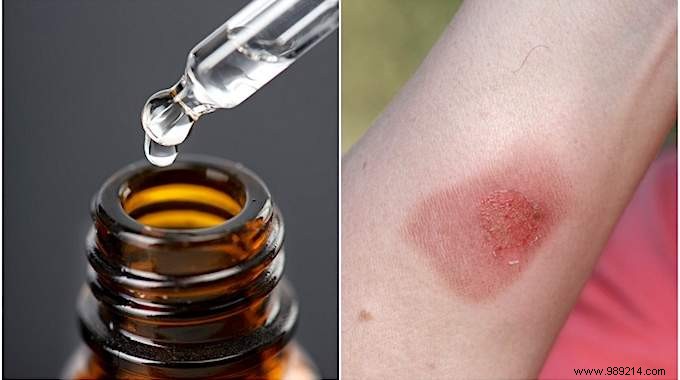
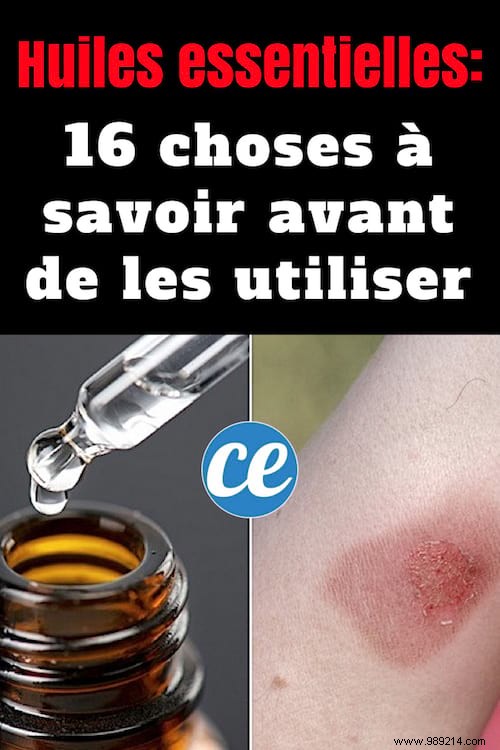
14. Skin burns from dermocaustic oils (e.g., oregano, savory, thyme, clove, cinnamon, pine, niaouli, peppermint, marjoram)? Apply vegetable oil to soothe.
15. Ingested oil causing pain? Avoid vomiting or milk. Take activated charcoal for absorption, then call poison control with the oil's Latin name.
16. Feeling dizzy, nauseous, or unwell? Seek emergency medical help immediately.
Armed with these safety essentials, explore proven applications:
- Tea Tree Essential Oil:14 Must-Know Uses.
- Thyme Essential Oil:Its Benefits and Uses to Know.
- Essential Oil of Rosewood:Its Benefits and Uses to Know.
- Essential Oil of Ylang-Ylang:Benefits and Uses to Know.
- The 5 Benefits of Peppermint You Need to Know.
