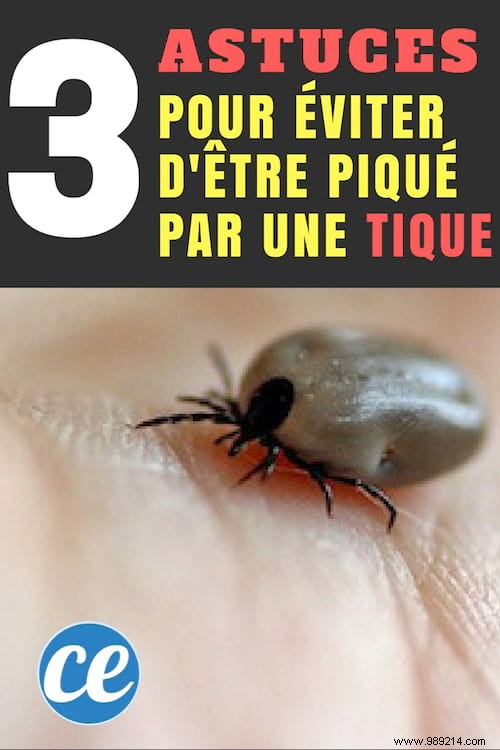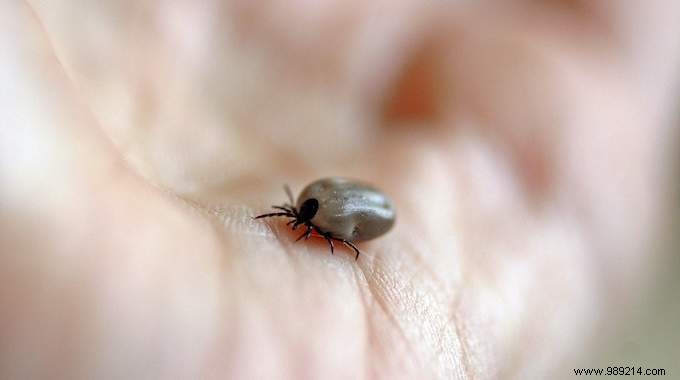
Ticks are active again this spring and fall—their peak seasons. With unpredictable weather fueling their spread across France, even urban parks and gardens aren't safe. These parasites can transmit Lyme disease, but you don't have to skip nature walks. The National Agency for Food, Environmental and Occupational Health & Safety (ANSES) offers proven precautions to minimize risks. Here are three essential, evidence-based tips.
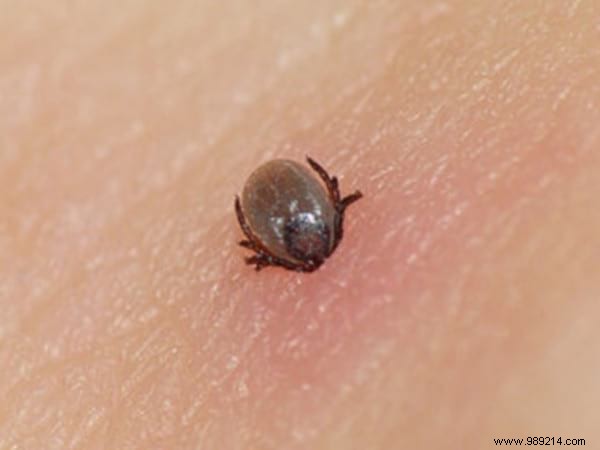
Standard mosquito repellents containing DEET or picaridin are highly effective against ticks, providing hours of protection. For a natural alternative, try essential oil blends like those with geraniol, which research shows deters ticks effectively.

Opt for long sleeves, pants tucked into socks, closed shoes, and gaiters if possible. Light-colored fabrics make it easier to spot ticks before they latch on. While it might feel warm, this simple step drastically reduces exposure—far better than risking Lyme disease.
Related read: Ticks: The Effective Trick to Avoid Being Bitten
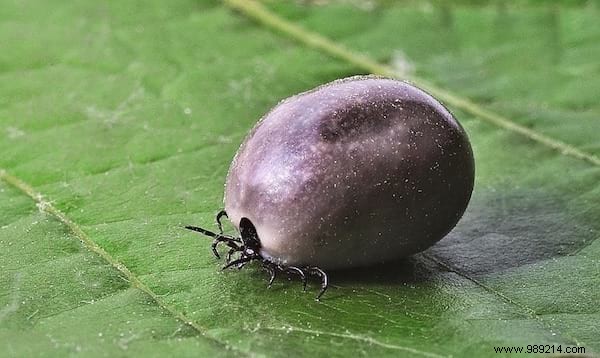
Ticks lurk in tall grass and shrubs, waiting up to a meter high to drop onto passersby. Stay on maintained trails to avoid brushing against them. After your walk, inspect skin folds like behind the knees, groin, armpits, ears, and scalp—their preferred warm, moist spots.
Finding a tick isn't pleasant, but stay calm. Avoid pulling it off with fingers or using irritants like ether, which can cause it to regurgitate pathogens. Use fine-tipped tweezers or a dedicated tick remover tool for safe extraction, grasping close to the skin and pulling steadily.
Related read: Ticks: The Best Way to Remove Them Without Risk
Disinfect the bite and tool afterward. If the tick is engorged, consult a doctor promptly.
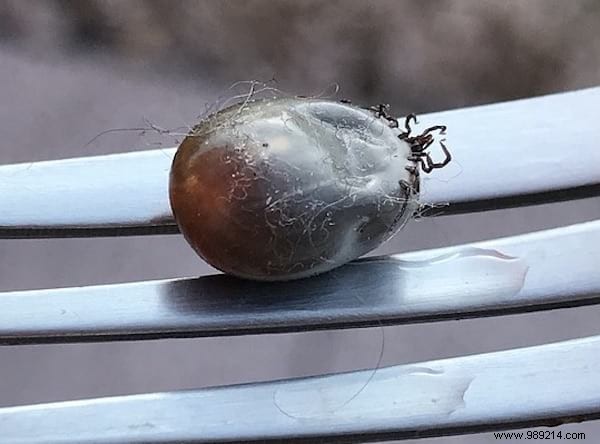
Don't discard the tick. Use the free "Tick Report" app from INRAE (download for iPhone or Android). Photograph it, report the bite location, and mail the tick for analysis. Your contribution supports the Citique project, mapping tick distribution and Lyme risks across France.
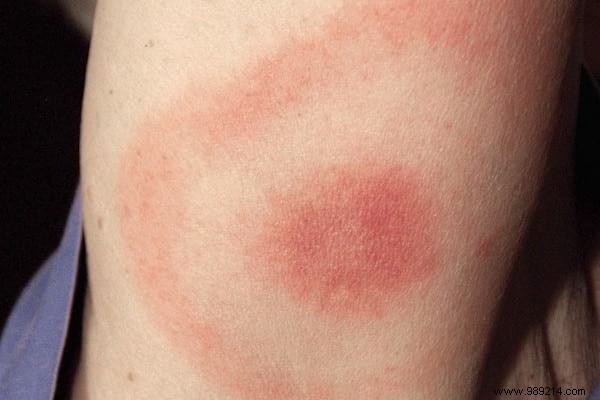
Most bites don't transmit Lyme if removed within hours. Watch for a expanding red "bull's-eye" rash days or weeks later. Seek medical care immediately—antibiotics are highly effective early on. Consult a doctor regardless if pregnant, treating a child under 8, immunocompromised, or if the tick was engorged. In high-risk areas, preventive antibiotics may be prescribed.