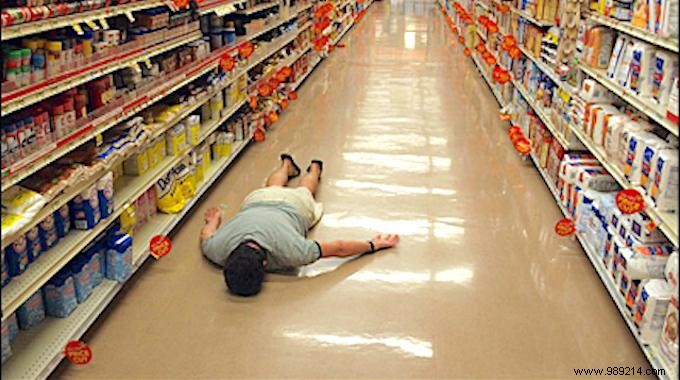
Food giants prefer you choose their processed products over fresh alternatives. Why? They have vast stockpiles of ingredients they aim to sell. Here's what you need to know about three common practices.

Ingredient labels and regulations don't always protect against these additives. As informed consumers, understanding these helps you make better choices. Let's examine the facts.
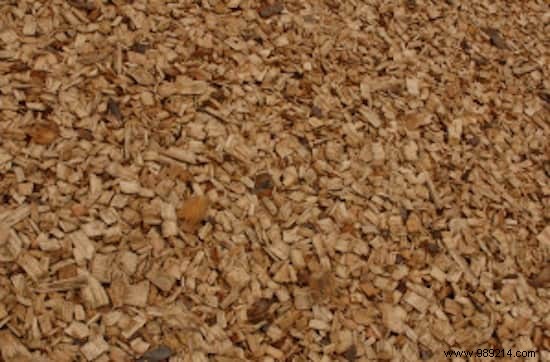
The decline in newsprint has left surplus wood pulp—what happens to it? Food manufacturers repurpose it as cellulose powder.
Check labels on pizza crusts, pastries, breads, and bagels. Cellulose (or E466) is widespread, adding texture at 30% less cost than flour or oils.
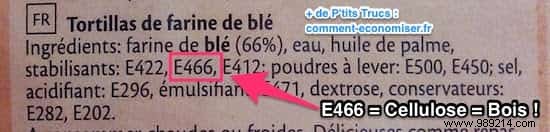
Cellulose improves processed food texture and is deemed safe by regulators like the EU, with no quantity limits. It's even in some organic products since it derives from trees.
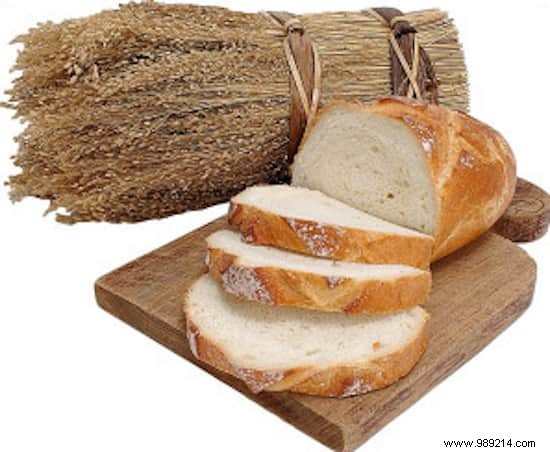
However, cellulose offers no nutritional value—humans can't digest it, unlike real foods. The bread above has a wood content similar to the cutting board.
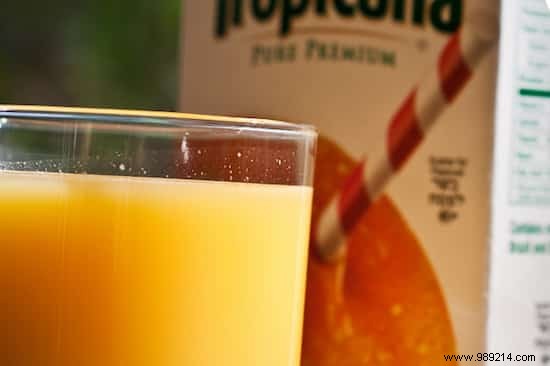
Orange juice is often seen as a healthy choice, marketed as "100% natural" with no added sugar. But that carton might be over a year old.
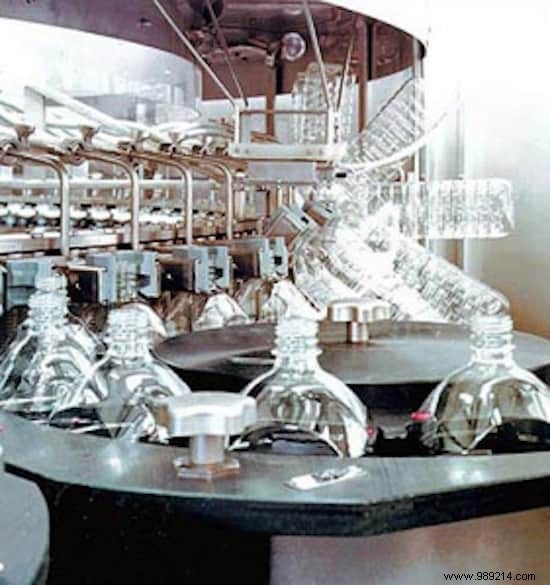
Production involves more than squeezing: factories process it extensively.

Why do all brands taste identical without preservatives? Juice is deoxygenated and stored in tanks for up to a year, enabling year-round sales.
Removing oxygen strips flavor, so 'flavor packs'—chemical blends from perfume makers—are added. Laws often don't require listing these on labels.
The result: flavored, long-lasting juice that may linger in your fridge.
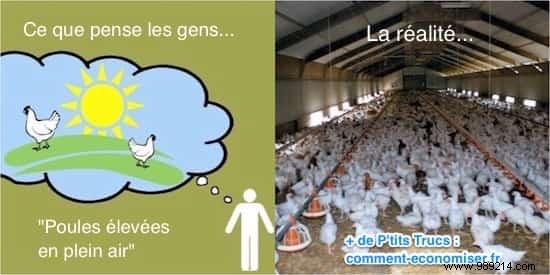
Free-range eggs suggest ethical farming, available alongside standard ones for a small premium. But definitions vary.
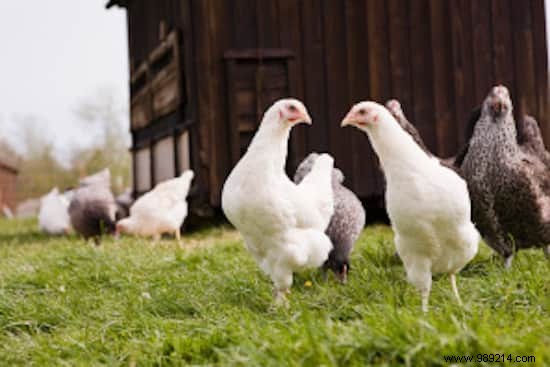
'Free-range' for meat birds means outdoor access, but for egg layers, regulations are laxer.
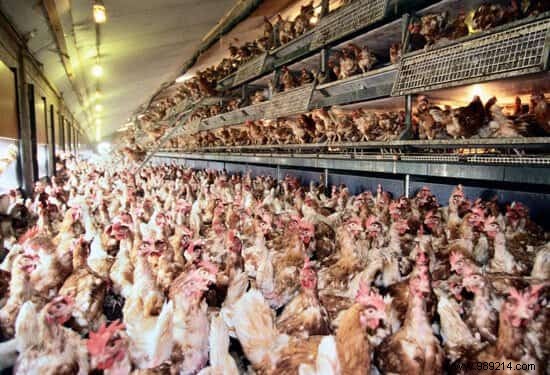
Labels evoke images of happy hens roaming freely, but egg-laying 'free-range' hens often live in crowded warehouses, similar to conventional setups.
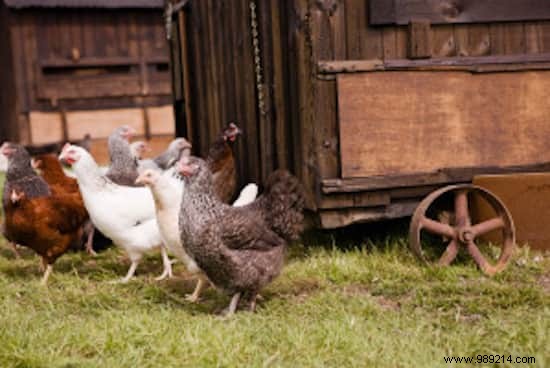
No strict rules apply to egg producers using the term. Little nutritional difference exists between caged, barn, or standard free-range eggs.
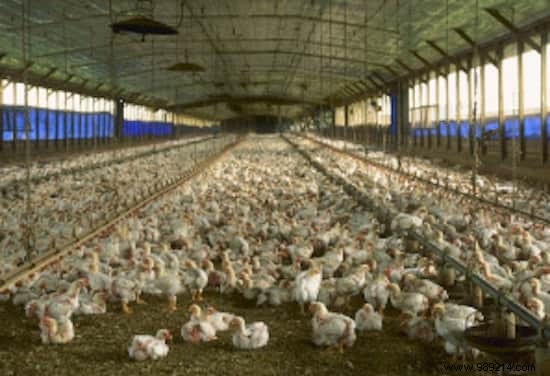
Organic eggs offer real outdoor access, limited densities, and mostly organic feed—explaining the higher price. For truly free-range, consider backyard hens. Learn more in our guide.
