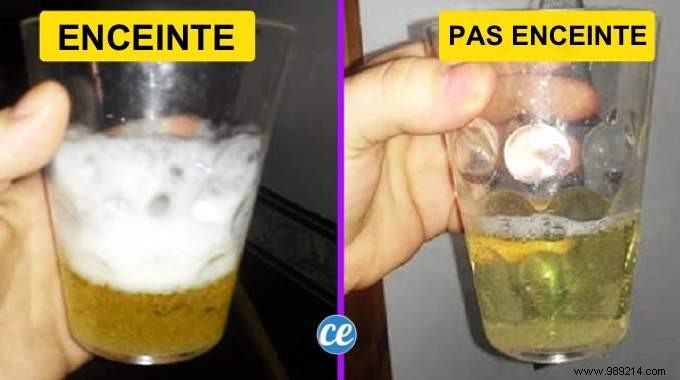
Generations ago, women relied on clever household hacks to detect pregnancy before modern tests existed. Our grandmothers turned everyday items into DIY detectors, passed down as family lore.
While intriguing, these methods lack scientific backing. As health content experts reviewing historical remedies, we share them for curiosity—but always recommend verified medical tests for accuracy.
Here are 8 homemade pregnancy tests from grandma's playbook. Proceed with caution and fun:

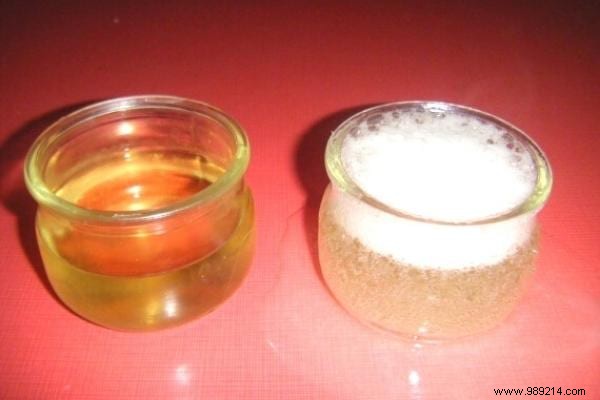
Before bed, collect your urine in a clean jar or glass and refrigerate it overnight—label it to avoid mix-ups!
In the morning, check for a whitish cloud. Folklore says its presence indicates pregnancy; clear urine suggests otherwise.
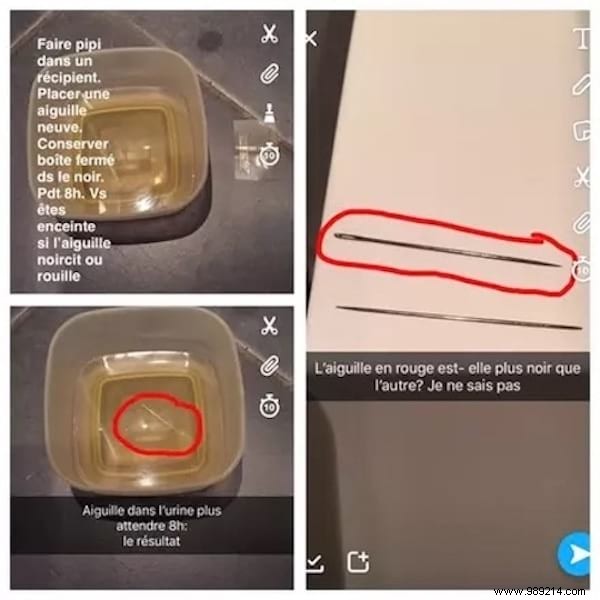
Fill a lidded jar with urine, thread a clean needle through the lid into the liquid, and store in a dark spot for 8 hours.
If the needle rusts or blackens, tradition claims pregnancy.
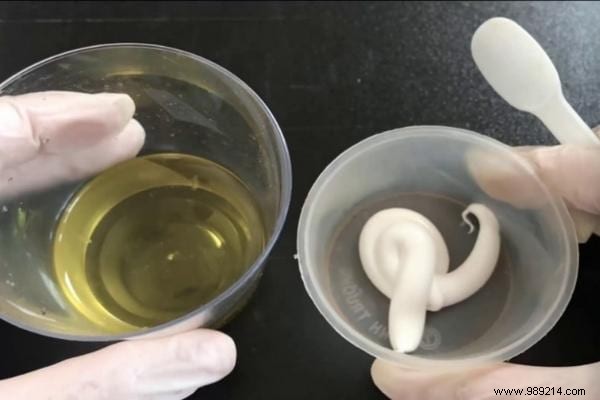
Squeeze a small amount of white toothpaste into a cup, add urine, and wait 5-10 minutes.
A color change to blue, foaming, or bubbling supposedly signals positive.

Add urine to a cup with a pinch of coarse salt and wait 2 hours.
Melted salt points to pregnancy per old wives' tales.

Mix a capful of bleach with urine. Foaming or dark orange color is the folk positive sign.
Strong warning: Avoid this—fumes from bleach and urine produce toxic chlorine gas, harmful to eyes, skin, and lungs.

Combine equal parts urine and white vinegar in a cup; wait 5 minutes.
Color change suggests pregnancy in grandma's wisdom.

First thing in the morning: Place a tablespoon of sugar in one cup (control) and another in urine-filled cup.
Sugar clumps in urine? Possible pregnancy. Dissolves? Likely not.

Add baking soda to fresh urine. Fizzing reaction indicates pregnancy hormone presence, per tradition.
These tests have no scientific validation. Forum anecdotes vary wildly—some report positives from non-pregnant women or negatives from confirmed pregnancies.
They're entertaining folklore, not diagnostics.
Health authorities unanimously state: None are reliable due to zero clinical evidence.
Results are inconsistent. For certainty, use pharmacy pregnancy tests, consult a gynecologist or midwife, or get a blood hCG test—the gold standard for early detection.
