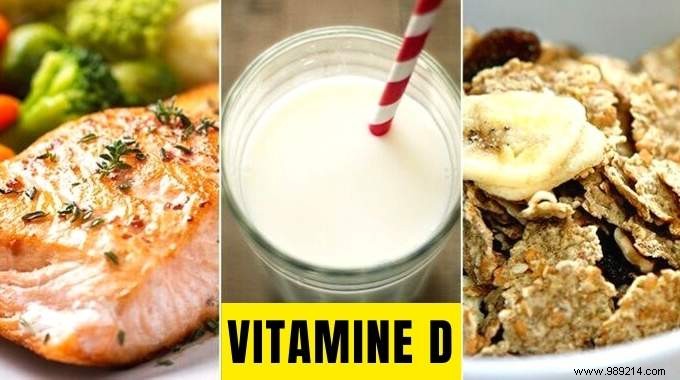
Vitamin D, primarily synthesized through sun exposure, becomes harder to obtain as winter approaches. Dietary sources are essential for maintaining optimal levels and avoiding deficiencies, which affect up to 80% of the Western population according to studies.
Boosting intake through nutrient-dense foods supports bone health, immunity, and overall well-being. Here are the 14 top sources, backed by nutritional data:
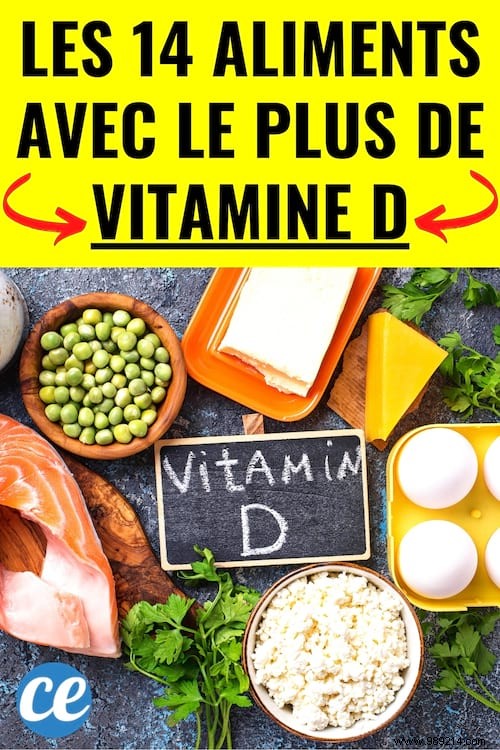
Vitamin D plays a critical role in bone strength and growth, particularly in children, helping prevent conditions like rickets, osteoporosis, and fractures.
Beyond bones, it enhances immune function, reduces fatigue, and supports mood regulation. Sun exposure for just 15 minutes daily can help synthesize it, though factors like skin pigmentation, age, and limited winter sunlight reduce efficiency.
That's why turning to vitamin D-rich foods is vital, especially during darker months.
Studies indicate 80% of Western populations experience deficiencies, raising risks for cancers (e.g., breast, colorectal), depression, high blood pressure, osteoporosis, and falls in the elderly.
Adults need at least 15 mcg daily, with many experts recommending 30 mcg. Incorporate these foods to meet requirements:

The richest natural source, cod liver oil provides vitamins D and A. Available in capsules for easier consumption. 10 cl = 250 mcg vitamin D.
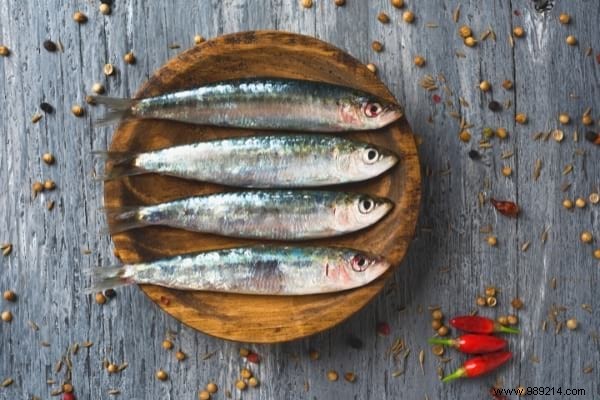
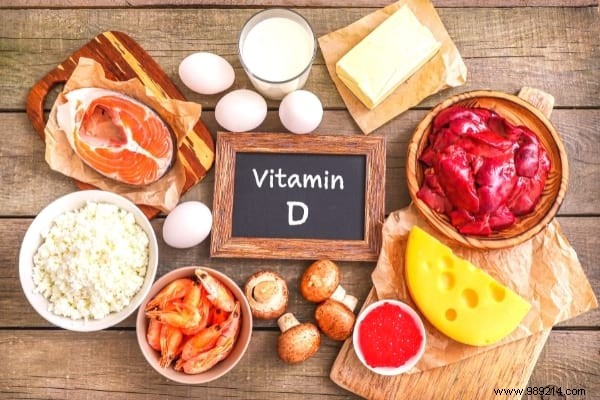
Fatty fish excel in vitamin D, proteins, and omega-3s. Wild salmon offers more than farmed. 100 g salmon: 6-23 mcg; trout: 6-23 mcg; herring: 7 mcg; sardines/mackerel: 12 mcg. Others: swordfish (16 mcg), perch (9 mcg), sea bream (5-7 mcg), caviar (6.5 mcg), fish eggs (2.33 mcg), anchovies (11 mcg), oysters (0.5 mcg).

Economical and versatile, eggs deliver vitamin D mainly in the yolk. 100 g egg yolk: 2-3.2 mcg.

Opt for at least 40% cocoa. 100 g: 5 mcg.
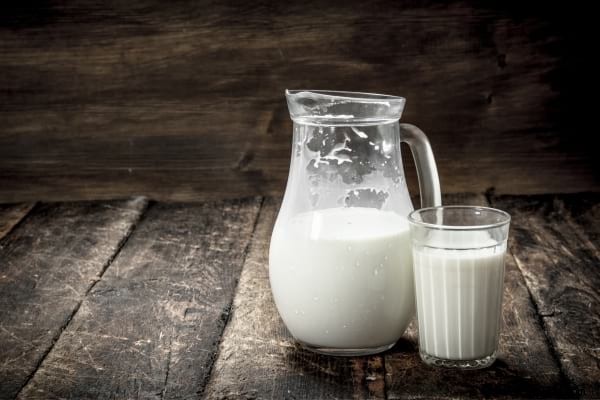
Fortified and calcium-rich for bone health. 25 cl whole milk: 4 mcg (20% daily needs).

Low-calorie, mineral-packed; best cooked. 100 g cooked: 1.18 mcg.

Quick breakfast option. 100 g: 4.2 mcg.
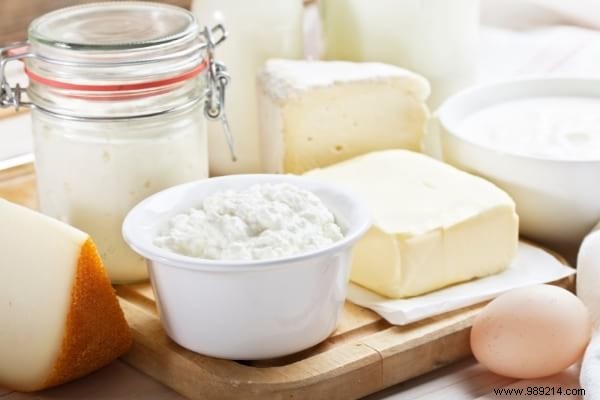
Yogurts and cheeses provide steady supply: fromage blanc/petits suisses (2-4 mcg/100 g); mozzarella (0.16 mcg), brie (0.2 mcg), cheddar (0.18 mcg), Gruyère (0.25 mcg), gorgonzola (0.24 mcg), Munster (0.57 mcg).
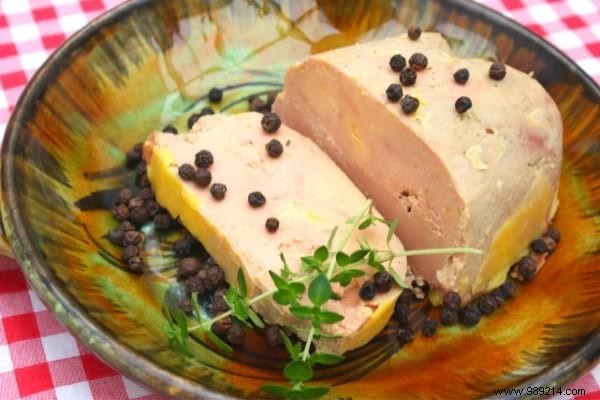
Holiday favorite. 100 g: 2.75 mcg.

Consume moderately. 100 g margarine: 10 mcg; butter: 1.13 mcg.
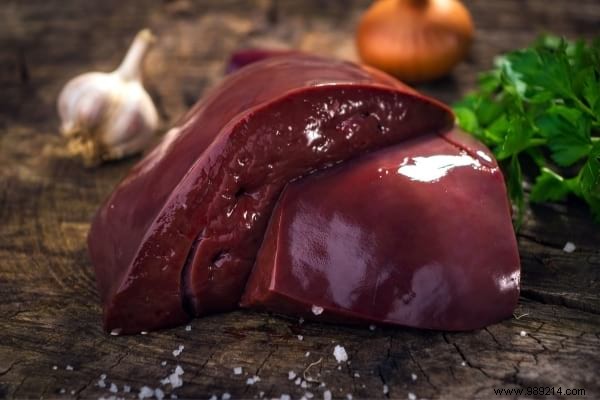
Nutrient-dense organ meat (25% daily needs). Beef liver similar but lower. 100 g cooked: 3 mcg.

BBQ staple with benefits. 100 g spare ribs: 2.3 mcg.
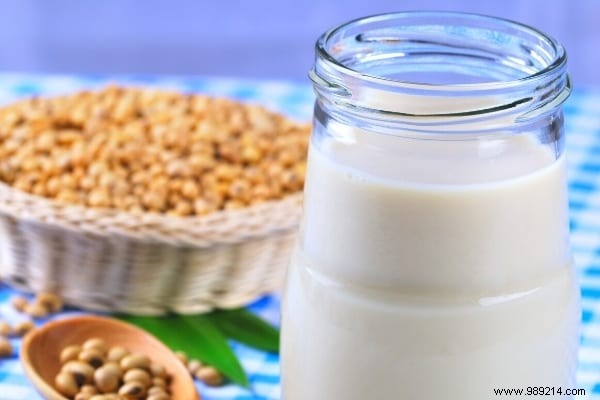
Vegan-friendly when fortified (natural lacks it). 25 cl: 2.1 mcg.
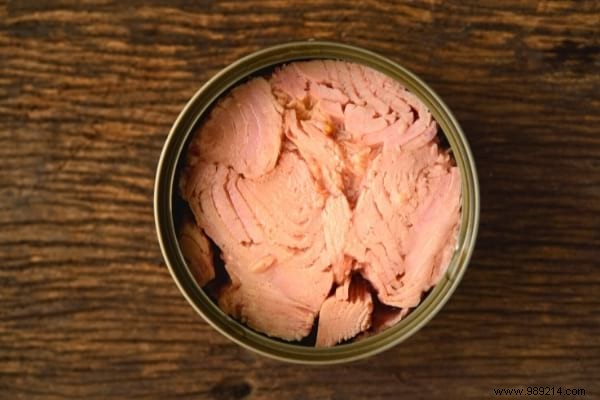
Versatile, low-mercury protein source. 100 g albacore: 2 mcg; light: 1.2 mcg.
