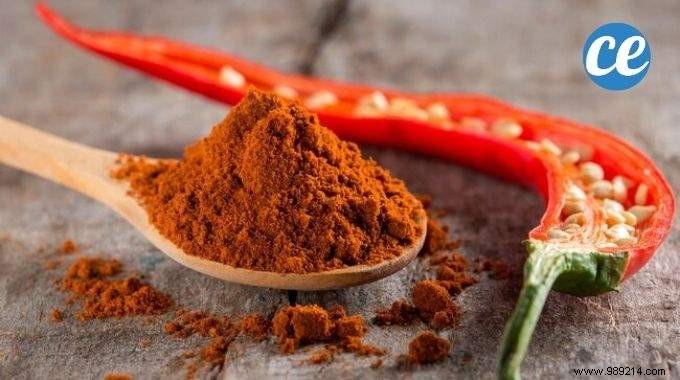
Chili peppers are a staple in cuisines worldwide, adding bold flavor to dishes. But beyond the kitchen, they offer remarkable health benefits, thanks to capsaicin, their active compound. Research shows consuming chili just once a month may extend life expectancy, and they pack three times more vitamin C than oranges. Here are 8 evidence-based health benefits of chili peppers.


A capsaicin-based nasal spray can provide relief from migraines. Yes, it tingles initially, but studies confirm its effectiveness. Capsaicin targets the trigeminal nerve, where many migraines originate, delivering an anesthetic effect.
In one study, 7 out of 10 participants achieved complete migraine relief with capsaicin nasal spray (source 1). Despite the initial sensation, users report it's worth it.
Related: 5 Essential Oils to Eliminate Headaches in 15 Minutes.

Regular chili consumption may promote longevity. A large-scale study found that eating just one red chili pepper per month over 20 years reduced mortality risk by 13% (source 2).
This benefit likely stems from chili's rich nutrients and anti-inflammatory properties. Another study linked chili intake to fighting obesity (source 3).

Suffering from non-allergic rhinitis—persistent runny nose without colds or allergies? Capsaicin nasal spray offers relief. Research shows it effectively treats symptoms (source 4).
The initial tingle fades quickly, with effects lasting months for many.
Related: 29 Natural Tips to Unclog Your Nose Fast.

That heat you feel after eating chili? Capsaicin ramps up body temperature, activates TRPV1 neurons to curb fat storage, and regulates appetite—increasing metabolism and aiding weight loss (sources 5, 6).
Related: 14 Foods That Boost Metabolism and Support Weight Loss.

Capsaicin creates warmth that confuses pain-sensing neurons, signaling "heat" instead of pain to the brain (source 7). This natural analgesic has been used for centuries.
Related: 44 Surprising Uses for Tiger Balm.

Capsaicin creams and patches provide quick pain relief for arthritis and fibromyalgia. One study showed halved pain levels in weeks (source 8). Best results often combine with other treatments; applications need repeating.
Related: Arthritis: 6 Foods to Avoid and Better Alternatives.

Chili peppers' antibacterial properties combat food-spoiling microbes (source 10). Extracts could replace artificial preservatives, improving everyday food safety.
Related: 10 Food Ingredients to Avoid.
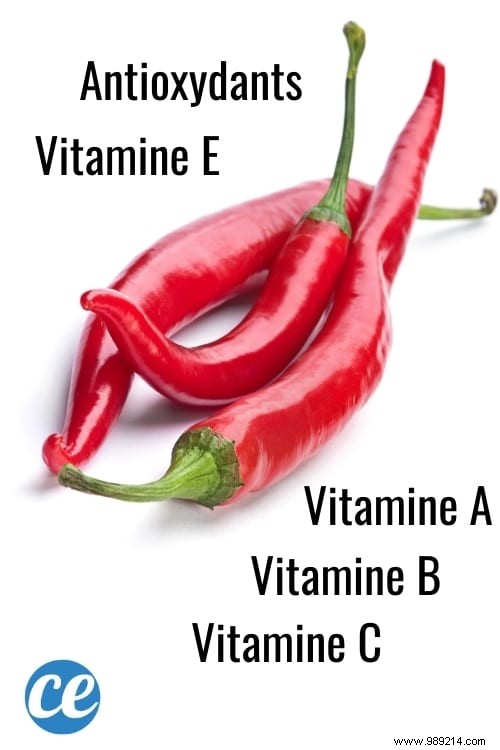
Chili peppers deliver three times the vitamin C of oranges, plus vitamins A, B, and E. Capsaicin offers antioxidant and anti-inflammatory effects, protecting cells (source 11).
Related: Ultimate Guide to Vitamins: Benefits and Top Food Sources.

1. Capsaicin binds to tongue receptors.
2. Brain triggers sweating, salivation, mucus.
3. Esophagus burns.
4. Phrenic nerves may cause hiccups.
5. Stomach pain/cramps.
6. Faster transit, diarrhea.
7. Possible anal itching.

Overly spicy peppers can irritate, even trigger asthma. Skip water—it won't dissolve capsaicin. Opt for milk, ice cream, or yogurt; fats neutralize it. Starch like bread helps too. Rinse skin/eyes with warm water.

Bell peppers and chilies are the same plant, differing only in capsaicin. Mild options: Espelette, Landes. Avoid hot ones like bird's tongue if sensitive.
Related: 10 Tips to Grow Perfect Peppers.
The Scoville scale quantifies capsaicin via dilution needed to neutralize heat (0-1,641,183 units). Bell peppers: 0; Pepper X: 3,180,000 (hottest). Dried/thin-stemmed peppers are spicier.

Freeze chopped chilies for easy use. Remove seeds for milder flavor; roast for depth. Wear gloves handling hot varieties. Sprinkle on pizza, pasta, fries.
Excess can cause stomach pain, nausea, vomiting, diarrhea, burning. Kids risk emergencies from spicy snacks—make your own for control, like Espelette on popcorn.

Capsaicin fights sinus issues, inflammation, aids fat metabolism, relieves stomach woes. Key benefits: pain relief, sinus protection, weight support, heart health, bone support, better sleep, reduced ulcers.
