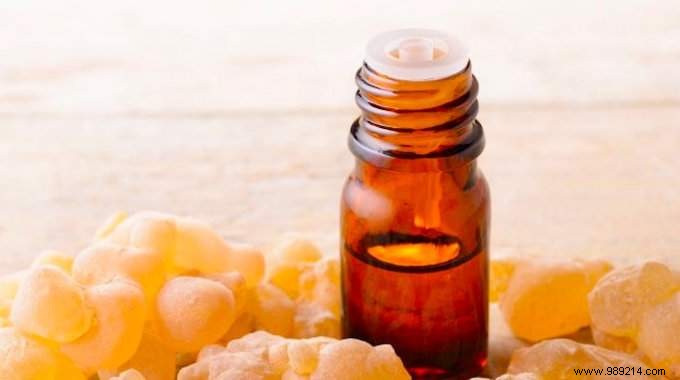
Essential oils have been utilized for thousands of years in aromatherapy for their therapeutic and medicinal properties. Derived from plant leaves, stems, or roots, few rival the versatility of frankincense essential oil.
Also known as olibanum, frankincense is a staple in aromatherapy, prized for reducing stress and anxiety, easing pain and inflammation, and bolstering the immune system. Here are 10 remarkable benefits of frankincense essential oil, supported by research.

Research demonstrates that inhaling frankincense essential oil lowers heart rate and blood pressure. Its anti-anxiety effects combat depression without the side effects or drowsiness of synthetic drugs.
A study showed that burning Boswellia resin reduced depressive behaviors in mice, attributing this to frankincense acetate activating TRPV3 brain channels, which influence heat perception and brain activity.
Studies confirm frankincense enhances immune responses, combating bacteria and viruses. Researchers at Mansoura University in Egypt found it exhibits significant immunostimulant activity.
Its antiseptic qualities help fight gingivitis, bad breath, cavities, toothaches, and oral infections, making it a popular natural remedy for oral health. Use it to prevent bacterial growth on skin, in the mouth, or around the home.
Laboratory and animal studies reveal frankincense's promising anti-inflammatory and antitumor properties. It targets certain cancer cells, with Chinese researchers noting positive effects from a frankincense-myrrh blend on breast and skin cancer cell lines.
Another study highlighted AKBA, a key compound, destroying chemotherapy-resistant cancer cells, positioning it as a potential natural adjunct therapy.
As an antiseptic and antimicrobial agent, frankincense eliminates cold and flu germs. It's also a natural disinfectant alternative to chemical cleaners.
Published in Letters in Applied Microbiology, a study found frankincense-myrrh blends highly effective against pathogens like Cryptococcus neoformans and Pseudomonas aeruginosa, explaining their 3,000-year synergistic use.
Frankincense improves skin complexion, elasticity, and defenses against bacteria and blemishes. It tones skin, reduces scars, acne, stretch marks, and heals cuts or dry patches.
A study in the Journal of Traditional and Complementary Medicine showed it reduces redness and irritation while evening complexion, thanks to its pentacyclic triterpene structure akin to steroids.
Explore more: 10 Natural Treatments for Skin Imperfections.
Scientific research indicates frankincense enhances memory and learning. Animal studies, including one on pregnant rats, showed improved short- and long-term memory in offspring.
Explore more: 6 Effective Tricks to Boost Memory and Concentration.
Emerging research suggests frankincense balances hormones, easing menstrual and menopausal symptoms like pain, cramps, nausea, and mood swings. It may regulate estrogen and reduce tumor risks.
Animal studies link its steroid-like structure to increased fertility, sperm motility, and viable fetuses.
Frankincense detoxifies the digestive system, eases transit, reduces pain, cramps, nausea, and bloating. It accelerates enzyme secretion, boosts urine production, relaxes tract muscles, and improves circulation.
Recognized for alleviating IBS, leaky gut, colitis, and Crohn's symptoms.
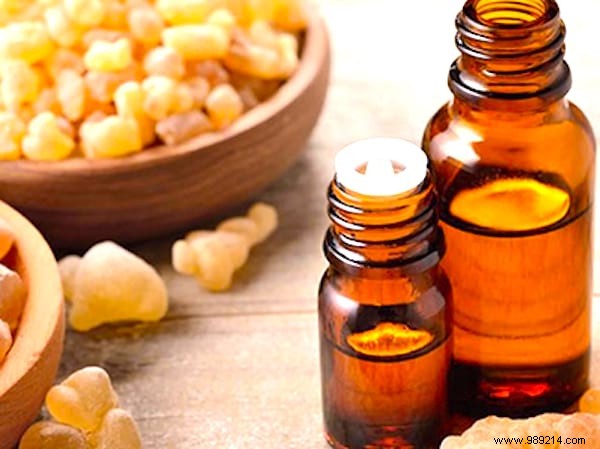
By reducing stress and anxiety, frankincense promotes natural sleep. Its soothing scent clears airways, regulates temperature, and eases pain without medication.
Frankincense inhibits inflammatory molecules linked to arthritis, asthma, and IBS. It slows cartilage breakdown, offering relief for muscle, joint, and tendon pain.
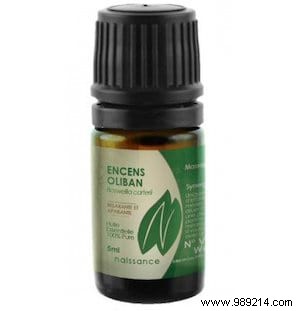
Avoid "fragrance" or "scented" oils, which may be synthetic. Opt for pure, 100% essential oils from Boswellia varieties. As someone who uses it daily, I recommend high-quality options tested for purity.
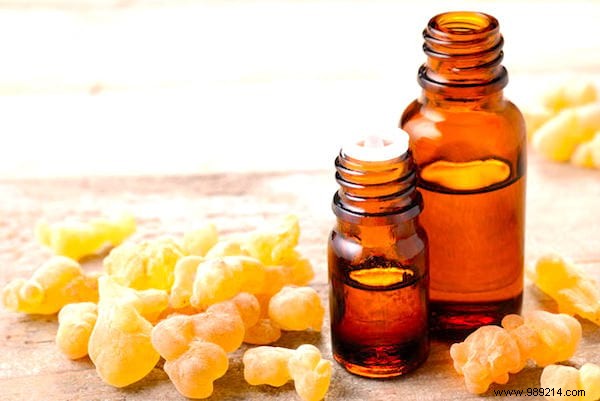
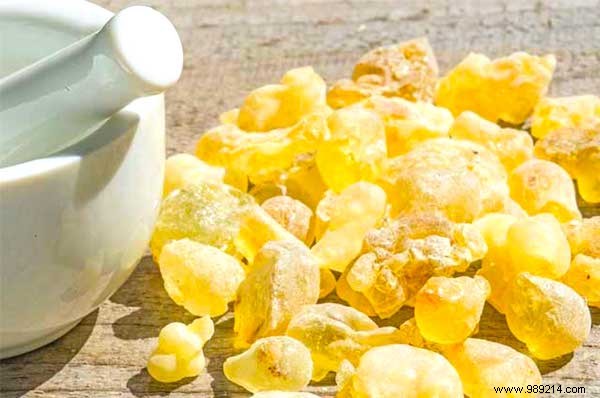
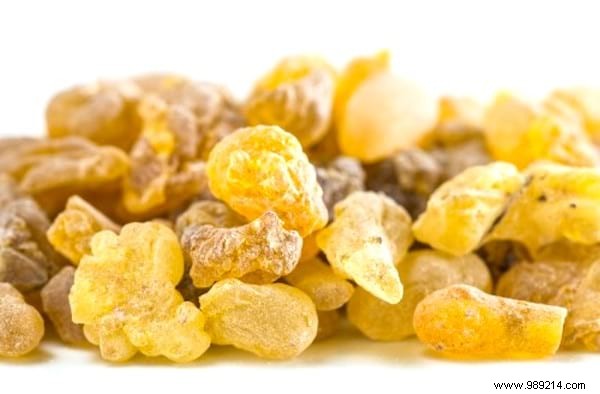
Frankincense essential oil comes from the resin of Boswellia carterii, Boswellia frereana, or Boswellia serrata trees in arid regions of East Africa and the Arabian Peninsula. These resilient trees thrive in harsh conditions.
Named from Old French "franc encens" meaning "high-quality incense," Boswellia serrata from India is noted for anti-inflammatory boswellic acids and terpenes that protect cells.
Use via inhalation or diluted topically with carrier oils like coconut or jojoba. Use sparingly, as large ingested amounts can be toxic.
Frankincense is well-tolerated, with no serious side effects reported. However, always follow guidelines: dilute for ingestion and respect dosages.
Rare mild reactions include rashes or digestive upset. It thins blood, so avoid if on anticoagulants or with clotting issues without medical advice.
Avoid during pregnancy, breastfeeding, or in children under 3. Consult a doctor first.
