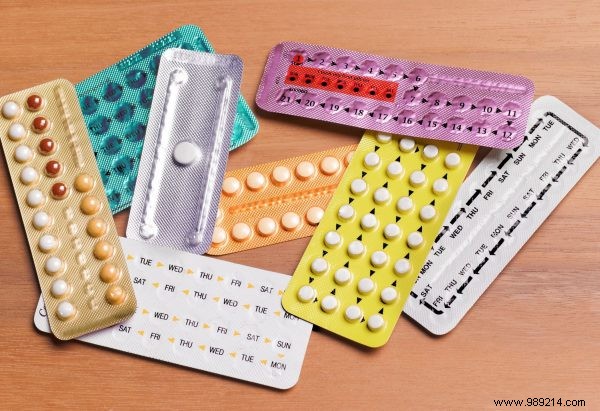
Ever wondered if taking your birth control pill daily without breaks is truly beneficial for your health? We consulted a gynecologist at University Hospital Brussels for authoritative guidance.
According to our expert, there are clear benefits to continuous use of the pill. Note: We're not advising you to start it, but if you're already on it, breaks aren't necessary.
A gynecologist from University Hospital Brussels explains: "It's not necessary to have a period every month. Do doctors get periods monthly? No—if I have major surgeries or deliveries scheduled, I take the pill continuously. Most of my female colleagues do the same."

Taking the pill mimics your natural cycle. Skipping it causes bleeding after 2-3 days. In a natural period, a mature egg is shed; on the pill, no egg matures, so bleeding stems from a sudden estrogen drop. Hormone fluctuations can still cause PMS symptoms.
Take it for 84 days straight (three packs), then a break week every three months. This means just four breaks yearly, reducing symptoms. Three months minimizes breakthrough bleeding. Or go continuous yearly if it suits you.
Continuous dosing doesn't reduce effectiveness—it enhances it. Up to 30% of women occasionally skip pills with monthly breaks; continuous use drops this to 7%, as daily habits stick better.
You ingest extra hormones from additional pills. However, today's pills have lower doses than before. Studies confirm no impact on liver function or increased cardiovascular risk.
Gynecologists address this often. Ancestrally, women had ~160 periods due to more pregnancies and extended breastfeeding. Today? Up to 450. "That's unnatural—and unnecessary," our expert notes.

This is what happens to your body when you stop taking the pill
Pill fatigue? These are 5 alternatives
How to find the perfect sports bra
