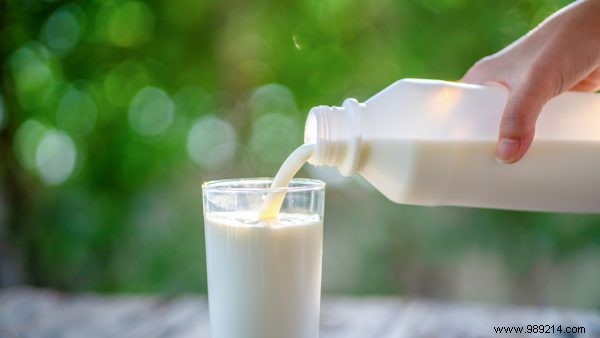
Starting your day with a glass of cold milk every morning sounds healthy, right? Our expert Sandra van Leeuwen, an Orthomolecular Advisor specializing in menopause, explains whether it's truly a good idea.
Milk and bread—who didn't grow up with that classic combo? Those small cartons of lukewarm school milk and sandwiches with sweaty cheese in a plastic bag left me with a slight trauma! ;-)
Even as a child, I wasn't a fan of the 'white wonder,' and little has changed. Yet, it was drilled into us that milk is essential. But is it really healthy? Let's explore why it might not be.
Consider this: The Netherlands boasts some of the highest dairy consumption worldwide—yet also tops the charts for osteoporosis cases. This alone challenges the idea that milk prevents bone loss.
Milk provides calcium, yes, but it's loaded with phosphorus, which binds to calcium and blocks proper absorption. Strong bones also rely on silicon and vitamin C, not just calcium.
Not at all. Refined sugar hinders calcium uptake, elevating osteoporosis risk. An average glass of milk contains 7 grams of lactose (milk sugar). If you're lactose intolerant, it can trigger bloating, cramps, and digestive discomfort.
The body tightly regulates blood pH at around 7.4. Deviations prompt adjustments via breathing or kidneys. Acid-forming foods like meat, disrupted gut health, stress, and inactivity can tip the balance toward acidity.
To neutralize excess acid, the body produces carbonates initially. But chronic acidification—from ongoing stress or poor diet—forces it to leach calcium from bones to form calcium carbonate, accelerating bone loss over time.
During menopause, fluctuating and declining estrogen levels heighten risks like osteoporosis. That's why calcium supplementation is often recommended.
Read also: What every woman should know about menopause before going through it
Not a milk fan like me? Or seeking smarter alternatives? Plenty of nutrient-dense foods deliver calcium effectively:
Pair these with organic silicon for optimal absorption—found in stinging nettle, brown rice, bananas, and oats.
Opting for calcium supplements? Always combine with vitamins K2 and D3 for better results.
Sandra van Leeuwen is an Orthomolecular Advisor specializing in menopause. She empowers women over 40 to navigate perimenopause and menopause through workshops and retreats across the Netherlands. A healthy lifestyle is her passion—she inspires women with practical advice. Sandra lives in Weesp with her husband and his children and runs her practice there. Learn more at sandravanleeuwen.com.
Read also: Drinking alcohol and losing weight: this is how you do it
Image: Getty Images
