Plastic pollution threatens ecosystems and human health worldwide. Recycling is promoted as a key solution, yet a rigorous study by the International Pollutants Elimination Network (IPEN) exposes lingering toxic additives in recycled materials.
Much plastic waste ends up on the ocean floor, complicating recovery and breaking into microplastics. Even recycling may not be the panacea. As Amos Wemanya, head of Greenpeace's anti-plastic campaign in Africa, noted in 2020, it cannot handle the volume of plastics produced globally. IPEN's December 14, 2021, study confirms recycling does not eliminate health risks or pollution from hazardous substances.
For the research, IPEN partnered with NGOs to collect high-density polyethylene (HDPE) samples—plastic bags from 24 factories across 23 countries, including Egypt, India, Mexico, and Malaysia. HDPE's granular form and widespread use made it ideal for analysis.
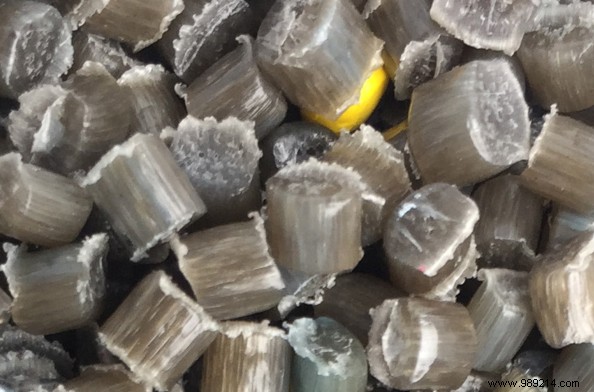
Researchers tested whether recycled plastics retain dangerous chemicals like their virgin counterparts. The findings were alarming: industrial additives such as flame retardants and light stabilizers—including six UV stabilizers—were present.
Notably, they detected Bisphenol A (BPA), a notorious endocrine disruptor banned in France. A 2019 study had already shown BPA levels in human bodies are 48 times higher than previously estimated, due to flawed detection methods.
Critically, every recycled plastic sample contained at least one toxic chemical additive. This challenges the view of recycling as a pollution-fighting powerhouse, prompting calls for reduced plastic production to truly mitigate risks.
