A recent U.S. study reveals that many children aged four to seven struggle to identify the origins of everyday foods. Some classify hot dogs and bacon as plants, while others view French fries as animal products. Researchers suggest that building clearer food knowledge in this age group could pave the way for more sustainable, plant-based diets.
Animal agriculture accounts for at least 14.5% of global greenhouse gas emissions, making it a key driver of climate change. Shifting toward more plant-based foods is one of the most effective ways to address this. Yet, despite robust scientific evidence highlighting the benefits of reducing animal products, many adults resist dietary changes.
This reluctance often stems from a failure to connect meat consumption with global warming—or even awareness doesn't always prompt action. It's the meat paradox: people eat foods that cause billions of animals to suffer while feeling sympathy for them.
Scientific research shows adults employ various rationalizations to ease cognitive dissonance, such as viewing meat-eating as "natural, normal, necessary, and nice." They might downplay the intelligence of food animals like chickens and cows compared to pets like dogs or dolphins.
These coping mechanisms prove effective, as global meat demand shows no signs of slowing. In essence, the desire for meat outweighs incentives to change for the environment or animal welfare. Adult eating habits are deeply ingrained and highly resistant to shift.
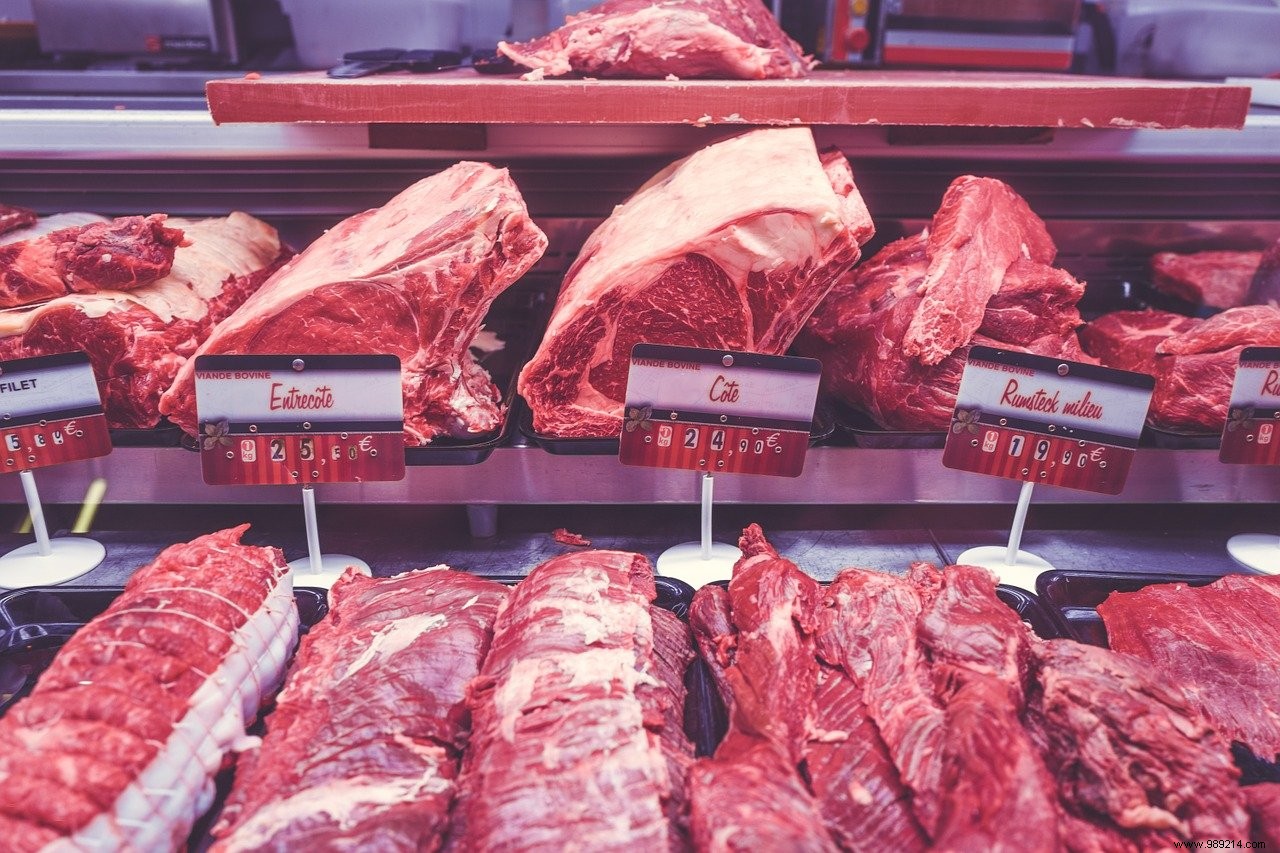
Examining children's understanding of animal-based foods offers insights into adult resistance to cutting back on meat and other animal products. Young children are still forming cultural views on meat and lack adults' full arsenal of rationalizations for the meat paradox.
Surprisingly, children's knowledge of food origins remains under-researched. Prior U.K. studies found about one-third of 5- to 8-year-olds unsure about basics like bread, cheese, or pasta.
In a new study from the Journal of Environmental Psychology, psychologists surveyed 176 children aged four to seven on food origins. The results were eye-opening: 47% thought French fries came from animals, 44% saw cheese as plant-based, 41% believed bacon was from plants, 40% said the same for hot dogs, and 38% classified chicken nuggets as plants. Meanwhile, 30% mistook popcorn and almonds for animal products.
The study also probed edible plants and animals, revealing confusion: 77% deemed cows inedible, 73% pigs, and 65% chickens.

This research uncovers widespread food misconceptions in young children—but also opportunity.
“Most U.S. children eat animal products, but unlike adults with strategies to justify it, children appear as naïve meat eaters,” the researchers note. “They may eat meat unknowingly, potentially clashing with innate biases against animals as food. Childhood could be a prime window for introducing plant-based diets more readily than later in life.”
Parents might contribute by avoiding origins discussions to spare emotions or simplify meals, using vague terms instead. “Rather than cooking multiple options or facing kids' reactions to bacon once being a pig, some parents sidestep the truth,” the team observes.
By openly discussing food sources and offering plant-based alternatives, caregivers can guide children toward kinder, eco-friendlier choices.
