British researchers have combined two existing drugs to target diffuse intrinsic pontine glioma (DIPG), a rare and aggressive brain tumor primarily affecting children. Notably, these drugs are already approved for treating other cancers.
Diffuse intrinsic pontine glioma (DIPG), also known as infiltrating brainstem glioma, is a malignant tumor originating in the pons region of the brainstem. It primarily impacts children, though adults can be affected. This highly localized, fast-growing tumor is inoperable and considered incurable, leading to fatal outcomes in nearly all cases.
Researchers at the Institute of Cancer Research (ICR) in London, UK, have outlined a potential new treatment in a September 2021 publication in Cancer Discovery. This innovative dual therapy pairs two market-approved drugs: trametinib, used for melanoma, and dasatinib, effective against leukemia. Experts believe this combination holds significant promise.
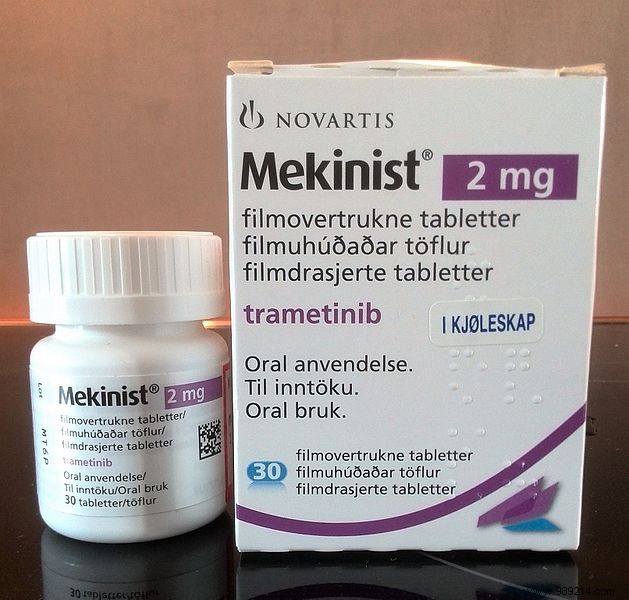
The team first analyzed DIPG tumor mutations that enable resistance to single-drug therapies. Using artificial intelligence, they tested drug combinations to inhibit tumor growth. The trametinib-dasatinib pairing delivered exceptional results, reducing cancer cell growth by more than 60% in mouse brain tissue models, as noted by Chris Jones, Professor of Paediatric Brain Tumour Biology at the ICR.
"DIPG is a rare and aggressive childhood brain cancer and survival rates have not changed in the past fifty years. We therefore desperately need to find new treatments for this disease. Our study demonstrates how AI can bring to drug discovery for cancers like DIPG, by providing new combinations of treatments that might not have been obvious to people," said Chris Jones.
The next phase involves rigorous laboratory validation. With both drugs already FDA-approved and available, clinical trials could begin relatively soon, offering real hope for DIPG patients.
