A comprehensive study from Uppsala University reveals that lunar cycles affect men's sleep more intensely than women's. Researchers analyzed sleep patterns across moon phases to explain these differences.
Scientists from Uppsala University in Sweden conducted one of the largest studies on lunar cycles' effects on human sleep, with results slated for publication in Science of The Total Environment in January 2022. The research involved 852 participants—492 women and 360 men aged 22 to 81—tracked from 2001 to 2018.
Using polysomnography—a gold-standard tool for recording detailed sleep data—the team identified variations tied to lunar phases, revealing distinct gender differences.
Sleep was assessed across two key periods: the waxing phase (from new moon to full moon) and the waning phase (from post-full moon to the next new moon). Each participant had their actual sleep time measured, from bedtime to sleep onset.
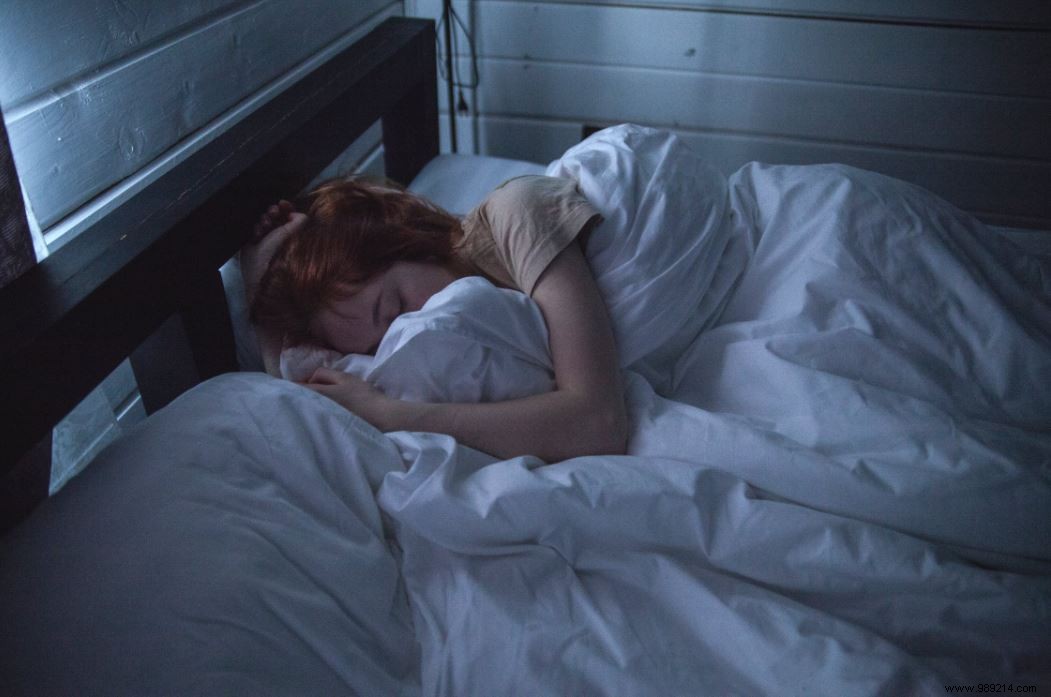
Both genders experienced reduced sleep during the waxing phase, likely due to increased moonlight suppressing melatonin, the key sleep hormone. The waning phase, with dimmer light, caused fewer issues.
Men showed greater vulnerability: longer pre-sleep wakefulness led to an average 20-minute sleep loss during waxing phases, compared to about 12 minutes for women. Notably, women's sleep quality remained consistent despite shorter duration, while men's suffered more.
The researchers emphasize that this observational study highlights associations, not definitive causation, between lunar cycles, sleep, and gender.
