For decades, researchers have linked gut microbiota to aging. A compelling new study demonstrates that transplanting young mouse microbiomes into older ones can mitigate brain aging effects, offering fresh hope for cognitive health.
Ilya Ilyich Metchnikov (1845-1916), a renowned Russian zoologist, bacteriologist, and immunologist, proposed in 1895 that certain Eastern European populations lived longer due to their consumption of fermented foods rich in lactic acid bacteria. This early theory connected gut microbes to healthy aging.
Once overlooked, this concept has gained traction. Modern science now affirms the gut microbiota's critical role in regulating health and disease. Research shows that bacterial diversity influences aging outcomes, with age-related shifts in microbiota and immunity potentially contributing to cognitive decline.
Emerging evidence suggests a targeted diet could nourish our gut's billions of microbes to ease brain aging. A landmark study by neurologist John Cryan at University College Cork, published in Nature Aging on August 9, 2021, advances this further.
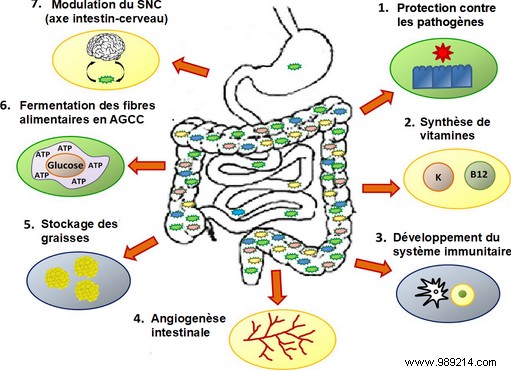
Cryan’s team transplanted microbiomes from young mice into older ones, observing reversals in age-related deficits in learning and memory. Hippocampal chemicals in recipients mirrored those of young mice, underscoring the microbiome's essential role in brain health, particularly with advancing age.
These findings echo Metchnikov’s ideas on protecting intestinal bacteria to stay youthful. Conducted in mice, however, they prompt questions about human applicability. More research is needed on gut bacteria's potential against specific brain aging traits.
While fecal transplants for human brain rejuvenation aren't yet viable, this work paves the way for dietary interventions or probiotics to optimize gut health, immunity, and cognitive function.
