Reusing plastic water bottles is a common habit for convenience during workouts, hikes, or picnics. But is it truly safe? While the practice seems eco-friendly—especially with tap water filling single-use bottles—growing concerns about health risks warrant a closer look. Scientific consensus remains cautious, with no absolute certainties.
We've all done it: grabbing a plastic bottle for reuse on the go. This reduces waste and new purchases, aligning with efforts to curb ocean plastic pollution. However, a 2016 Business Insider report highlighted key risks, including potential chemical leaching into the water and bacterial buildup inside the bottle.
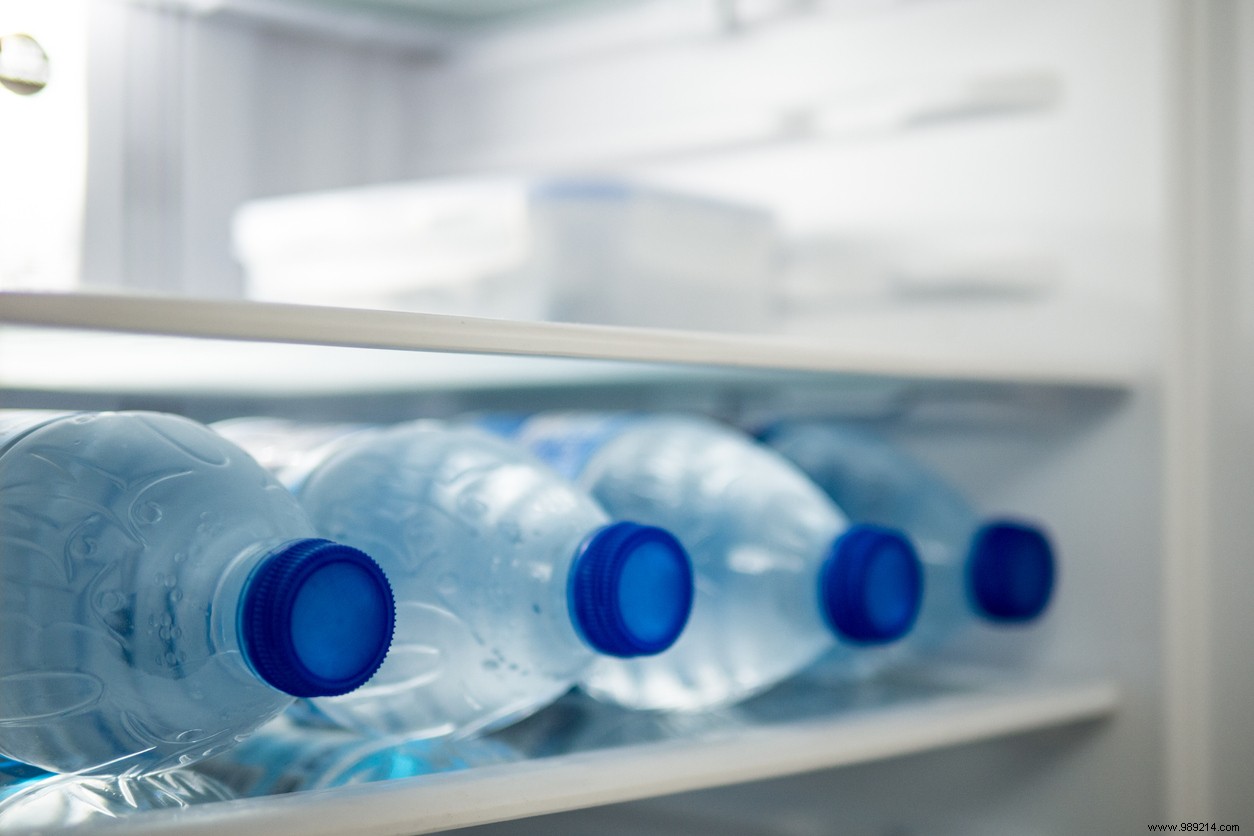
Research on plastic bottle leaching focuses on substances like Bisphenol A (BPA) and antimony. In France, ANSES's 2013 report confirmed BPA in bottles, leading to its 2015 ban. Earlier studies—a 2006 Journal of Environmental Monitoring paper on European bottles and a 2008 Water Research analysis of Canadian ones—detected antimony at levels below regulatory limits. Yet, other research questions whether these chemicals reliably migrate into water, and no study provides definitive proof.
The greater concern is bacterial accumulation. A 2017 Chinese study (PDF, 8 pages) found reused bottles could harbor dangerously high bacteria levels with rapid microbial growth. Note that these bottles weren't designed for reuse. Without conclusive data, experts recommend thoroughly cleaning reusable plastic bottles, gourds, and similar containers regularly to minimize risks.
