 Toxoplasmosis is typically a mild parasitic infection, but it poses serious risks during pregnancy, potentially causing fetal malformations. Modern lifestyles have led to declining immunity rates among women, making prevention more crucial than ever.
 After an incubation period of 5 to 20 days, symptoms mimic a mild flu: swollen neck glands, slight fever, headaches, and muscle or joint pain. These often go unnoticed and rarely require treatment.
Only immunocompromised individuals and pregnant women need antibiotic treatment after exposure to the Toxoplasma gondii parasite. It spreads primarily through feces from infected cats—via litter boxes, contaminated water, soil, or vegetables—or undercooked meat.
When a pregnant woman contracts toxoplasmosis, the parasite can cross the placenta and infect the fetus. This raises risks of miscarriage and congenital malformations, such as neurological or ocular damage, particularly between the 10th and 24th weeks.
France's screening program, in place since 1978, identifies 3 to 4 cases per 10,000 births, per the National Reference Center for Toxoplasmosis at Reims University Hospital. Most affected infants are born without issues, but 10% face vision or psychomotor delays. Fetal fatality occurs in just 2 to 4% of cases.
A single exposure usually confers lifelong immunity through antibodies that prevent reinfection. In immunocompromised patients—like those with AIDS, post-transplant, or on chemotherapy—the dormant parasite can reactivate years later.
In the 1960s, over 80% of women were immune. By 2003, this fell to 44%, and below 37% in the early 2010s, according to a 2017 Haute Autorité de Santé report. Urban living reduces cat exposure to infected prey, and freezing food (-10°C+) kills the parasite.
France mandates toxoplasmosis blood screening at pregnancy's start. Non-immune women receive monthly tests until delivery.
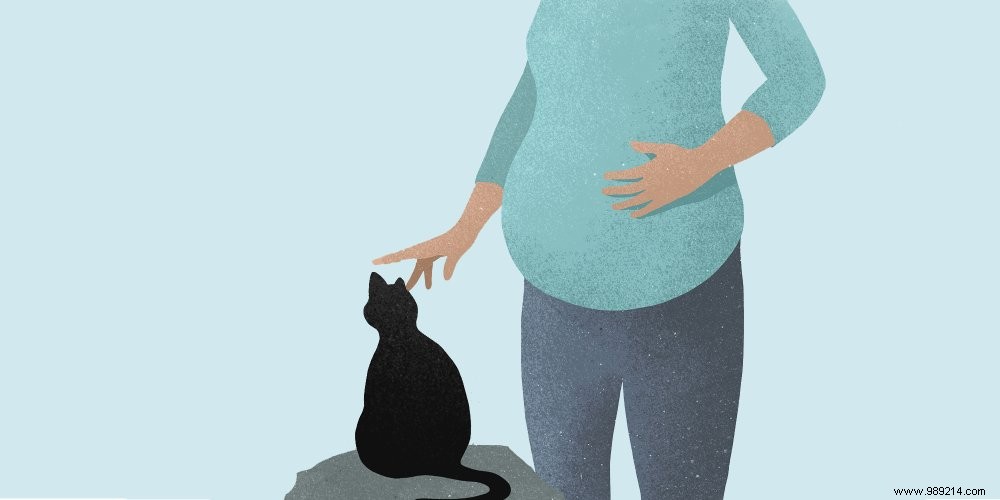
Key prevention steps, backed by health authorities: thoroughly cook meat or freeze at -12°C for 3 days; wash hands after handling raw foods; wear gloves when gardening; wash and peel vegetables. No need to rehome your cat—just keep it out of the kitchen and delegate litter changes.
Read also: