While artificial intelligence sparks widespread public concern, brain-machine interfaces (BMIs) raise similar alarms among experts. Pioneering researchers caution that this technology could foster dangerous dependencies and enable neural marketing by corporations.
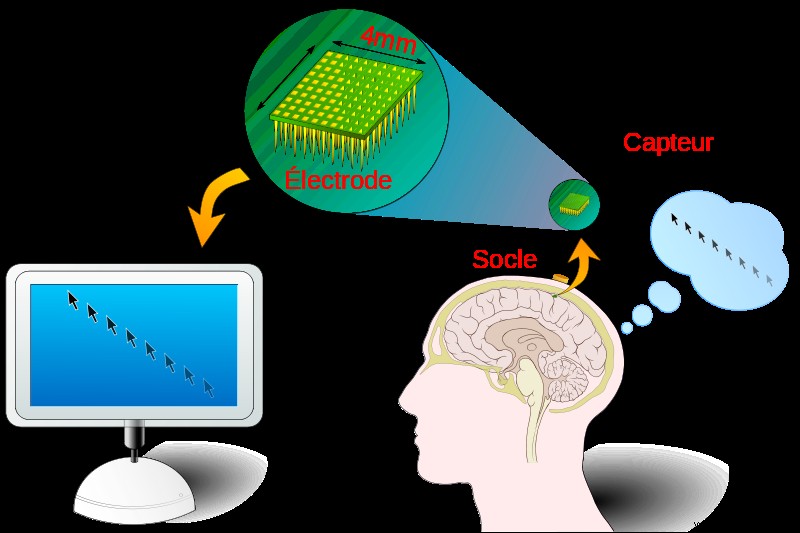
Brain-machine interfaces create direct connections between the brain and computers, allowing users to perform tasks without relying on peripheral nerves or muscles. The concept emerged in the early 1970s, with the first human studies in the 1990s. Today, leading companies are advancing BMIs, including Facebook's Building 8 and Elon Musk's Neuralink.
Neuralink initially focused on medical applications, such as restoring vision for the blind or hearing for the deaf. In contrast, Facebook and Microsoft are exploring ways to map human thoughts for integration with virtual reality systems.
A July 20, 2021, article in APL Bioengineering—published by the American Institute of Physics (AIP)—highlights concerns from bioengineers at Imperial College London. These experts outline a potentially dystopian future for the technology.
The Imperial College team warns that BMIs could allow companies to monetize users' thoughts through "neural marketing". Certain applications pose severe dangers, with addiction risks comparable to opioids: "If a chip assigns you a new identity, addiction to brain technologies could rival that of opioids," the paper states. Real-world trials have shown patients refusing device removal, viewing them as integral to their identity.
This stems from "proprioception" (our sense of body position, often called the "sixth sense"). Without it, the brain may fail to distinguish external devices, eroding autonomy and even altering personality traits and personal identity.
Yet, the authors acknowledge BMI benefits, particularly for health. Individuals with severe disabilities could control prosthetics, wheelchairs, computers, or smart home devices. In workplaces, BMIs might detect employee fatigue to prevent accidents, while aiding monitoring of overworked students.
