Researchers at Rutgers University have pioneered a microchip that measures stress levels instantly by quantifying hormones in just a drop of blood. This innovation holds immense promise for health monitoring and beyond.
Hormones like ACTH, adrenaline, and cortisol play critical roles in stress response, overall health, and sleep quality. Elevated levels can impair sleep, heighten stress, and increase risks of panic attacks, heart issues, and other conditions.
Traditional cortisol testing requires costly lab visits. In a study published in Science Advances on June 30, 2021, Rutgers researchers introduced a practical solution for daily cortisol monitoring, enabling faster interventions.
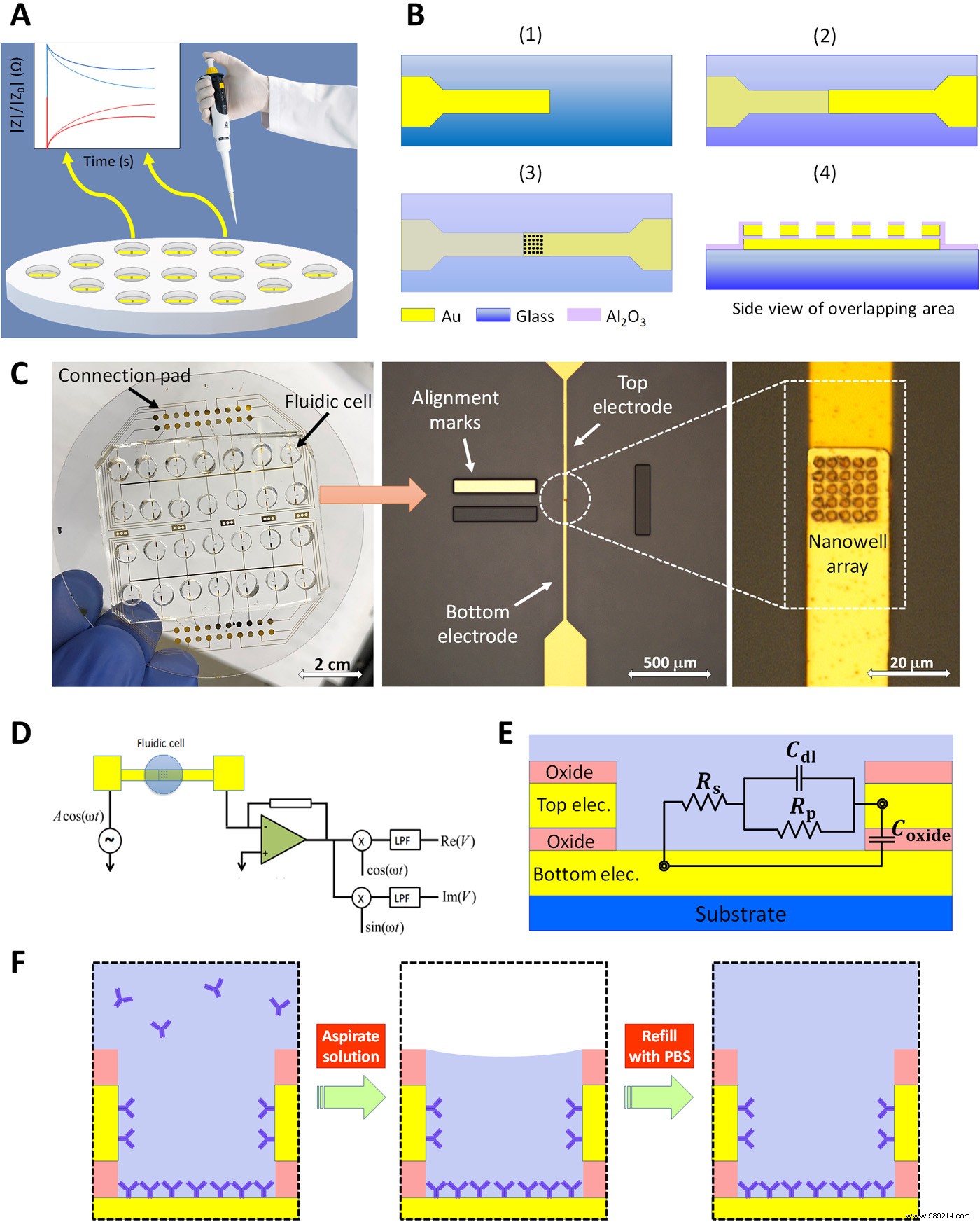
Drawing on semiconductor technology, the team developed hair-thin nanosensors capable of detecting biomolecules at ultra-low concentrations. This empowers patients to track hormones linked to stress and conditions like chronic inflammation.
“The nanosensors enable direct cortisol detection without markers or intermediaries,” said Reza Mahmoodi, lead author and researcher in Rutgers University's Department of Electrical and Computer Engineering.
Future applications could extend to saliva or urine for non-invasive testing, eliminating needles. This paves the way for integration into compact wearable devices, transforming everyday health tracking.
