At the University of Central Florida's RESTORES research center, experts have pioneered a virtual reality (VR)-based therapy for post-traumatic stress disorder (PTSD). This innovative approach immerses patients in simulations of their own traumas, empowering them to reclaim control over their lives.
PTSD is a debilitating anxiety disorder that develops after a traumatic event threatening a person's—or those around them's—physical or psychological well-being.
On April 27, 2021, the nonprofit UCF RESTORES center announced a groundbreaking VR treatment. Located in Orlando, Florida, the center is conducting clinical trials to validate its effectiveness in recreating patients' trauma contexts.
Eligible participants are U.S. residents aged 18+, with a confirmed PTSD diagnosis. The program includes a pre-treatment evaluation, two weeks of intensive inpatient treatment, and a post-treatment assessment. Early trial results from UCF RESTORES show strong promise.
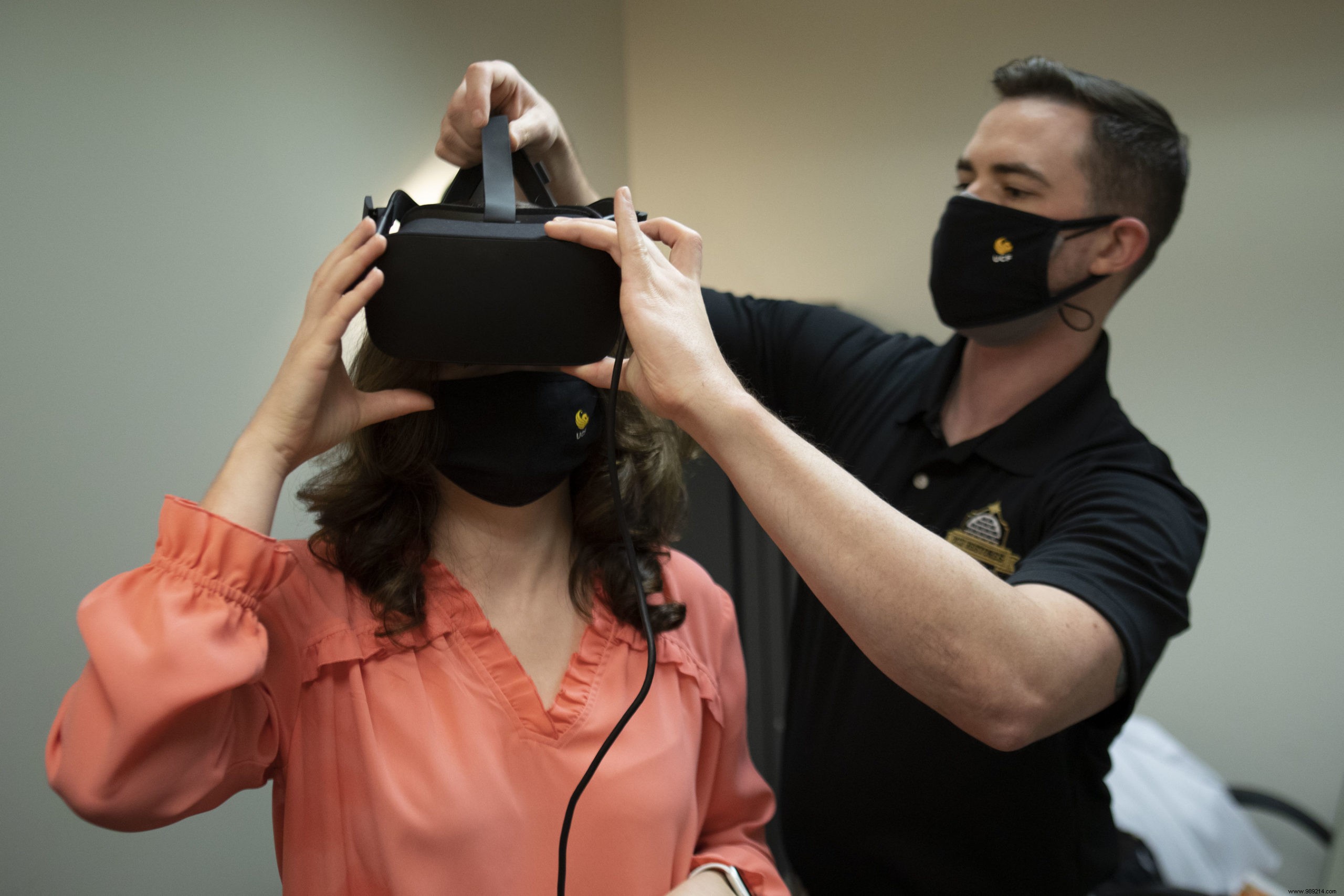
UCF RESTORES integrates VR exposure therapy with individual or group counseling. Many trial participants have experienced war-related trauma, supported by a $3 million U.S. Department of Defense grant. Notably, the U.S. military already employs VR for soldier suicide prevention.
Previously limited by third-party VR systems, the center now uses advanced technology for a intensive two-week program. It creates personalized scenarios mirroring each patient's trauma, enabling them to confront and master these memories. These gains are expected to translate into lasting real-world benefits.
