Did SARS-CoV-2 escape from a Wuhan virology lab? This theory has gained renewed attention. As a counter-terrorism specialist with decades of experience, Hamish de Bretton-Gordon urges governments to bolster security protocols in these high-risk facilities.
Covid-19 has claimed more than 3.7 million lives worldwide, per latest figures at the time. Yet the virus's origins remain unclear: natural spillover, animal transmission, or lab accident? Early in the pandemic, speculation about a leak from Wuhan's P4 lab spread online. Though initially dismissed by many scientists, fresh statements have revived the debate.
True or not, the possibility demands action. In a BBC article dated May 31, 2021, Hamish de Bretton-Gordon—a former British Army officer and chemical weapons expert—warns that such risks highlight the need for drastically enhanced security in virology labs globally.
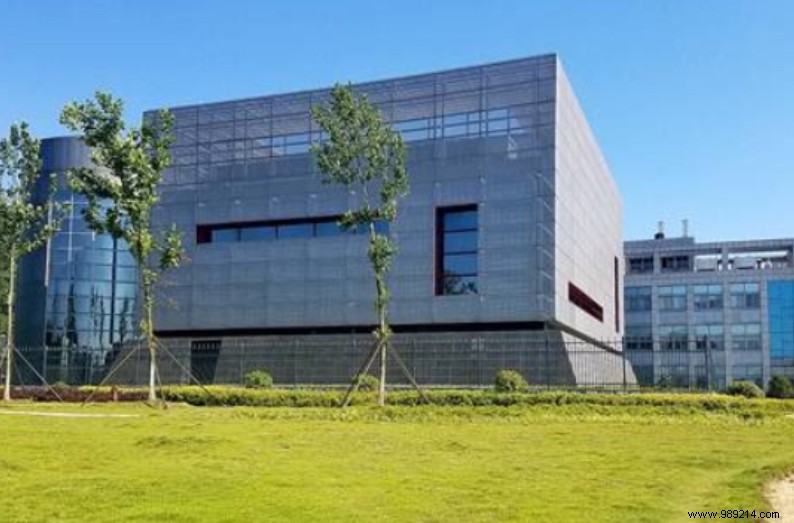
De Bretton-Gordon, drawing from his counter-terrorism expertise, notes that dozens of high-containment virology labs worldwide could falter under attack. There are about 50 P4 labs like Wuhan's, handling the deadliest pathogens with stringent safeguards—yet no system is foolproof. These sites, he argues, are prime targets for rogue states and terrorists.
Greater concern lies with the roughly 3,000 P3 labs globally, where standards are less rigorous but pathogens remain highly dangerous.
While chemical weapons face robust international oversight, biological weapons and related labs lag behind. The 1972 Biological Weapons Convention exists, but enforcement is weak. De Bretton-Gordon calls for urgent global action—ideally at the upcoming G7 summit in Carbis Bay, UK, from June 11 to 13.
