Recent research from Japanese scientists shows that stress and psychological tension can significantly aggravate allergies. The study points to a specific hormone as the culprit behind heightened reactions.
Could stress be fueling more severe allergic responses? Professor Mika Yamanaka-Takaichi from Osaka University in Japan believes so, based on her study published in the International Journal of Molecular Sciences on March 9, 2021. In her clinical experience, many patients report intensified allergy symptoms triggered by psychological stress.
As Dr. Yamanaka-Takaichi notes, stressful situations prompt the release of corticotropin (also known as adrenocorticotropic hormone or ACTH). Her research establishes a direct connection between this hormone and the proliferation of mast cells—oval-shaped immune cells in the nasal cavity that play a key role in allergic reactions. This interplay creates a "perfect storm" that exacerbates allergy symptoms.
These findings could deepen our understanding of allergy origins and pave the way for targeted treatments. The professor highlights promising options like antalarmin, a drug that acts as an antagonist to CRH1, the corticotropin-releasing hormone.
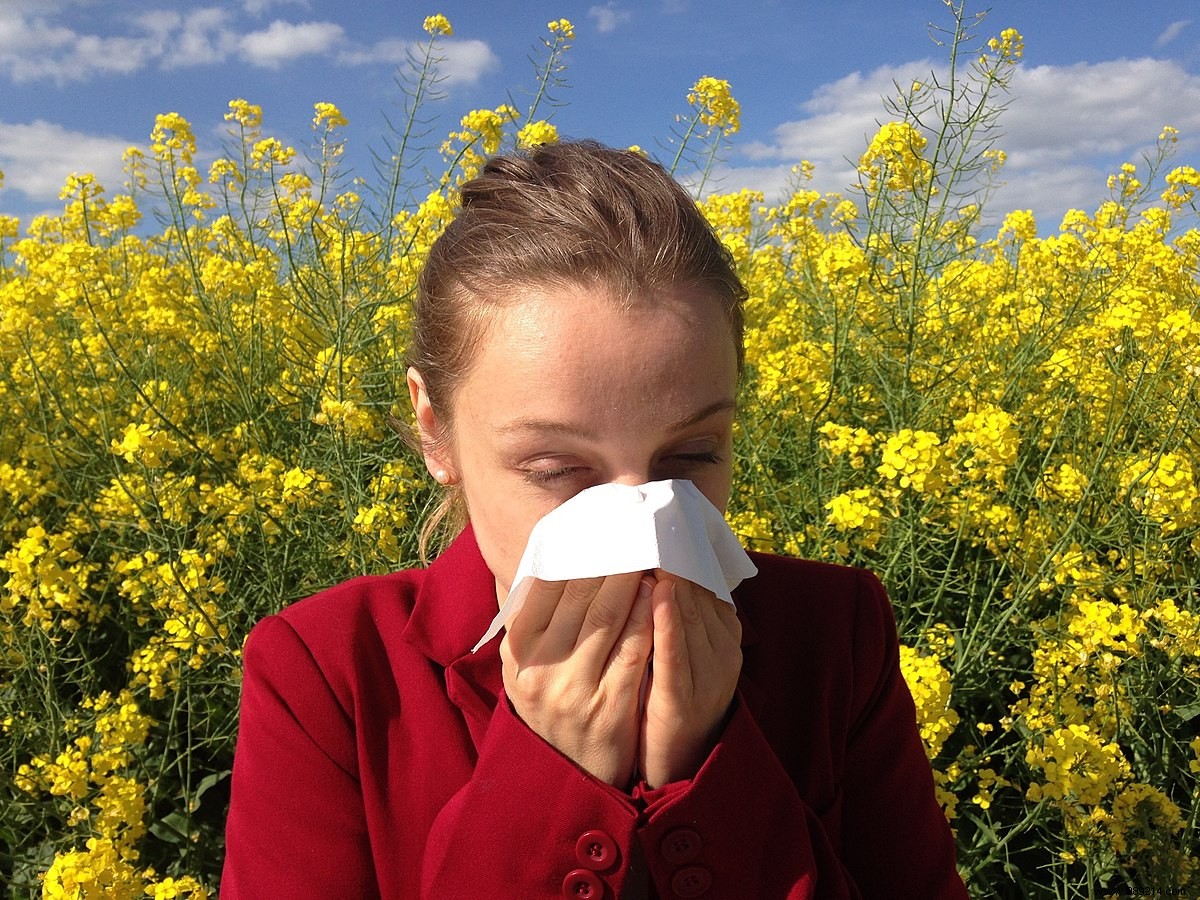
Inserm reports that 25 to 35% of the global population suffers from allergic diseases, which are especially prevalent in children and young adults. Anyone can be affected, influenced by geography and age. Allergies require both genetic predisposition and exposure to allergens.
The World Health Organization (WHO) ranks allergic diseases as the fourth most common chronic condition worldwide. They represent a major public health issue, impacting quality of life, causing lost work and school days, driving up treatment costs, and leading to mortality in severe cases.
Especially seasonal allergies are on the rise. Projections suggest that by 2050, half the world's population will be allergic to something—a sharp increase from less than 5% just 50 years ago.
