Mosquitoes plague communities worldwide, disrupting lives and spreading serious diseases. In Florida, officials plan to release tens of thousands of genetically modified mosquitoes designed to produce offspring that cannot survive, offering a targeted solution to this persistent threat.
Releasing genetically modified mosquitoes has proven effective in recent years. In 2018, Burkina Faso authorized such releases in the west to combat malaria. Brazil followed suit in 2014, deploying millions to curb dengue fever outbreaks.
As reported by NBC News on April 28, 2021, Florida is preparing to release 144,000 male genetically modified mosquitoes. The aim is to suppress Aedes aegypti populations, primary vectors for dengue, yellow fever, and heartworm in pets.
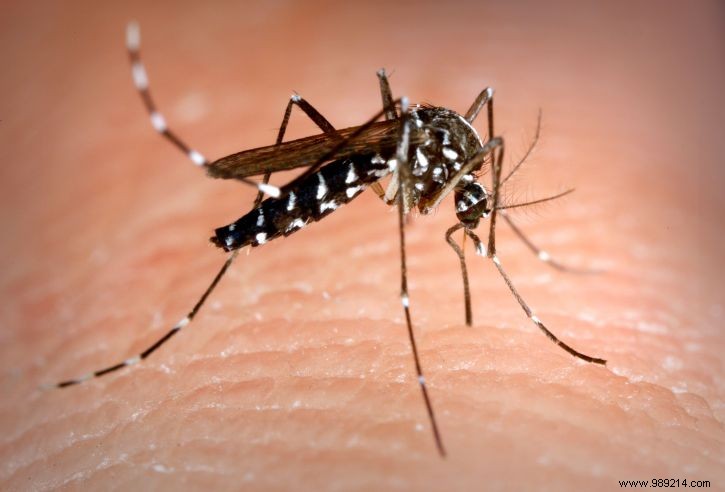
These mosquitoes, developed by British biotech firm Oxitec, were previously used in Brazil's 2014 program. Non-biting males mate with wild females, ensuring their progeny do not survive to adulthood. Advocates view this as a precise, eco-friendly method for population control.
In Florida's Keys archipelago, Aedes aegypti comprises just 4% of mosquitoes but drives most human disease cases. Andrea Leal, executive director of the Florida Keys Mosquito Control District, highlights growing mosquito resistance to traditional methods, necessitating innovative approaches.
Though controversial, results are compelling. In Guangzhou, China, a 3,500 m² facility built in 2016 releases nearly 20 million modified mosquitoes weekly. Prior trials with 500,000 mosquitoes halved local populations.
