Led by entomologist Jérémy Bouyer at CIRAD, an international research team is advancing drone-based mosquito control to suppress deadly diseases like malaria, dengue, and chikungunya more effectively.
Mosquitoes transmit devastating illnesses including malaria, dengue fever, chikungunya, and various fevers and encephalitis. While existing methods limit disease transmission from mosquitoes to humans, none have scaled effectively. A June 15, 2020, study in Science Robotics introduces a breakthrough.
The team, headed by Jérémy Bouyer from the Center for International Cooperation in Agricultural Research for Development (CIRAD), proposes sterilizing male mosquitoes via radiation, followed by cold storage in specialized cartridges. Drones then precisely release these mosquitoes into targeted areas, where they mate but produce no offspring.
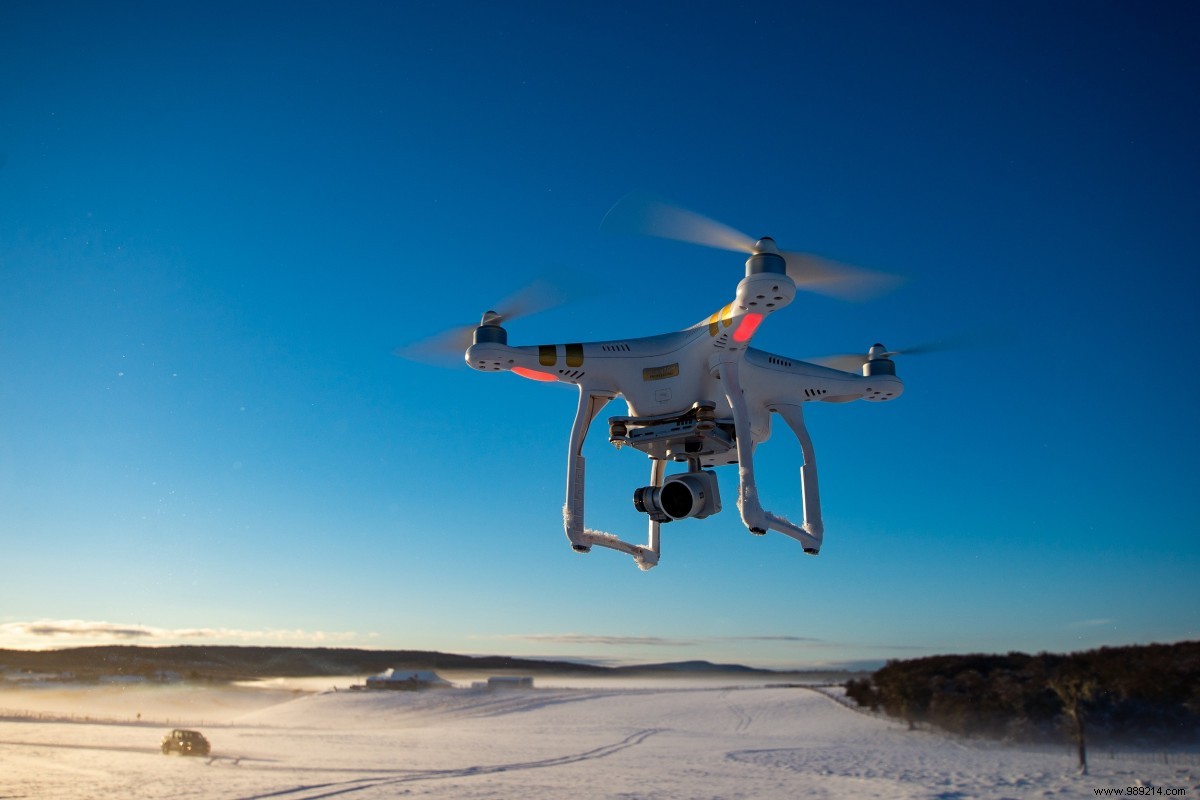
This approach promises to drastically reduce transmission risks, offering superior efficiency and speed over traditional methods. By focusing on high-risk zones, it could save countless lives.
Prior sterile insect releases have succeeded variably in Australia, Brazil, China, and the United States. This drone-enhanced technique, however, could yield unprecedented outcomes based on rigorous testing.
In 2017, researchers from Aberystwyth University in Wales deployed drones in Tanzania to apply insecticides against mosquito larvae, curbing malaria spread. Drones have also enabled other health innovations, such as delivering hospital supplies in 2019, defibrillators to remote Canadian areas, and enforcing lockdown rules in Spain and France during the pandemic.
