French neuroscientists conducted an in-depth study on dreams during the COVID-19 lockdown. Now complete, the research uncovers what unfolded in the minds of the French as they slept through two months of confinement.
Perrine Ruby, an Inserm researcher at the Lyon Neuroscience Research Center, launched the "Confinement Sleep and Dream" study on April 6, 2020. The goal: to examine the pandemic's and lockdown's impact on sleep and dreams. Speaking to Sciences et Avenir over two months later, Ruby shared initial findings.
The survey drew around 6,500 responses, with 3,900 complete. Of these, roughly 1,500 described dreams and nightmares. The volume and richness of this data prompted Ruby to compile it into an upcoming book for wider sharing.
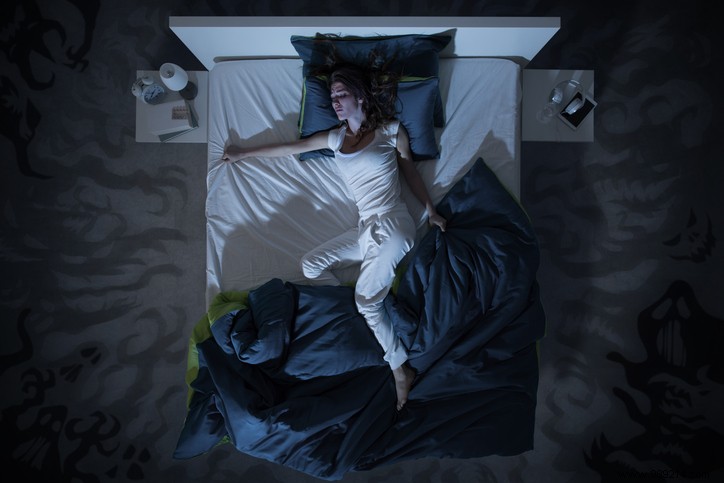
Notably, 15% of respondents reported more negative dreams than usual, while 7% experienced more positive ones. Positive dreams often featured sunny gatherings, family outings, or soaring over fantastical landscapes—with freedom as the dominant emotion.
Negative dreams, more common overall, frequently involved work intruding into personal space—capturing the invasion of professional life into home. Themes also included confinement itself, injustice, fears of the future, and COVID-19 anxieties. Fear dominated, manifesting as threats and chases.
For Ruby, lockdown posed a profound challenge to the brain: adapting to social isolation amid shifting material and societal realities, all under intense, unprecedented uncertainty. Crucially, sleep and dreams facilitated this adaptation, processing memories and emotions.
