Assessing the benefit-risk balance of electronic cigarettes through scientific literature has long been challenging. Conflicting conclusions, potential industry biases from both tobacco and vaping sectors, and short-term follow-up periods in studies often cloud the picture.
Invented two decades ago by a Chinese pharmacist, the e-cigarette remains divisive—neither fully endorsed for smoking cessation efficacy and safety nor outright condemned for harm. As we'll explore, recent studies offer limited progress, while French health authorities increasingly view it as a lesser evil compared to combustible tobacco, absent key carcinogens like tar.
The most recent study (February 2021) from University of North Carolina researchers examined vapers' immune responses to viruses. Findings: E-cigarettes alter nasal mucosa, disrupting cytokine and chemokine release, which weakens antiviral defenses in the respiratory tract. A common limitation: It doesn't clarify if current vapers were former smokers—a frequent profile.
Another February 2021 study in the American Journal of Physiology – Lung Cellular and Molecular Physiology analyzed e-liquid flavors. Certain aromas impair immune cells' ability to fight bacteria and control inflammation. Chocolate and banana flavors showed elevated "benzene ring" compounds, though reformulation could mitigate risks. This marks the first direct comparison of flavor toxicity.
A comprehensive September 2020 report by UK government-commissioned toxicologists evaluated e-liquid safety after over a year of analysis. Highlights include:
Early 2021 Boston University research, using 2014 PATH data, found "no difference" in inflammatory or oxidative stress biomarkers between e-cigarette users and non-users, indicating comparable cardiovascular toxicity levels.
EVALI, an acute antibiotic-resistant pneumonia, surged in the US (e.g., New York, Texas) in September 2019. By February 18, 2020, 2,807 cases across 29 states resulted in 68 deaths, mostly among vapers—prompting initial e-cigarette bans.
Investigations revealed most cases involved adulterated THC e-liquids or additives like vitamin E acetate and illegal cannabinoids—clear misuse of black-market products. The National Academy of Medicine noted: "The US lung injury epidemic stems from misuse; CDC and FDA confirmed this as the primary cause."
EU nations implemented strict regulations early on, avoiding US-style controversies. France now adopts a pragmatic stance, recognizing e-cigarettes' role in helping hundreds of thousands quit smoking—data-backed by Public Health France. Efforts focus on tighter e-liquid composition rules and penalties for sales to minors.
No outright sales ban exists. Regulations mirror tobacco laws: prohibited in schools, public transport (since October 2017). As evidence mounts for smoking cessation benefits, vaping is now allowed in places like stadiums, bars, and restaurants via owner rules or local decrees.
This esteemed body, tracing roots to 18th-century academies, advises on health policy. In 2015, it endorsed integrating e-cigarettes into tobacco control strategies alongside nicotine replacements. Post-2019 EVALI, it critiqued WHO's unsubstantiated harm claims and reaffirmed vaping's advantages over cigarettes, citing fewer toxins like tar and carbon monoxide—a "lesser evil" for temporary use toward quitting.
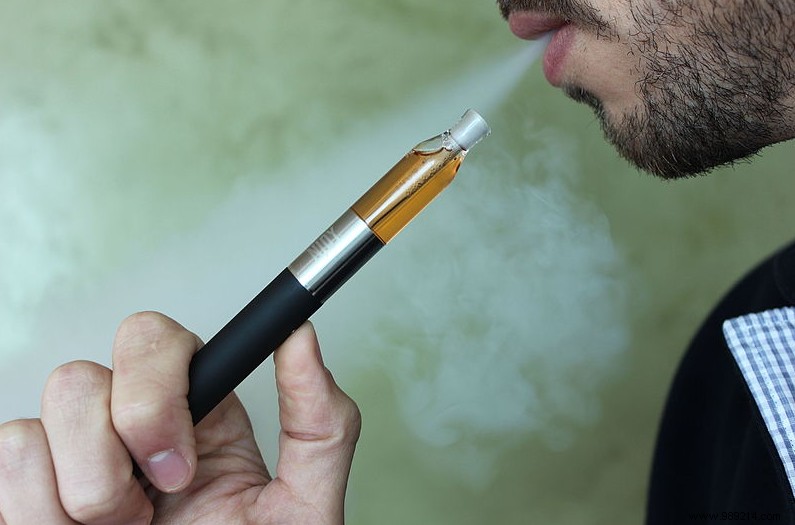
HAS evaluates health products, issues recommendations, supports policy, and certifies providers. It takes a balanced view: Doesn't recommend e-cigarettes for quitting due to unproven long-term efficacy/safety but advises against discouraging motivated smokers using them temporarily. Aligning with harm reduction, it notes fewer toxins than cigarettes, though not risk-free.
ANSES offers a free public tool listing authorized e-liquid compositions in France, enhancing traceability to prevent EVALI-like issues from adulterated products.
