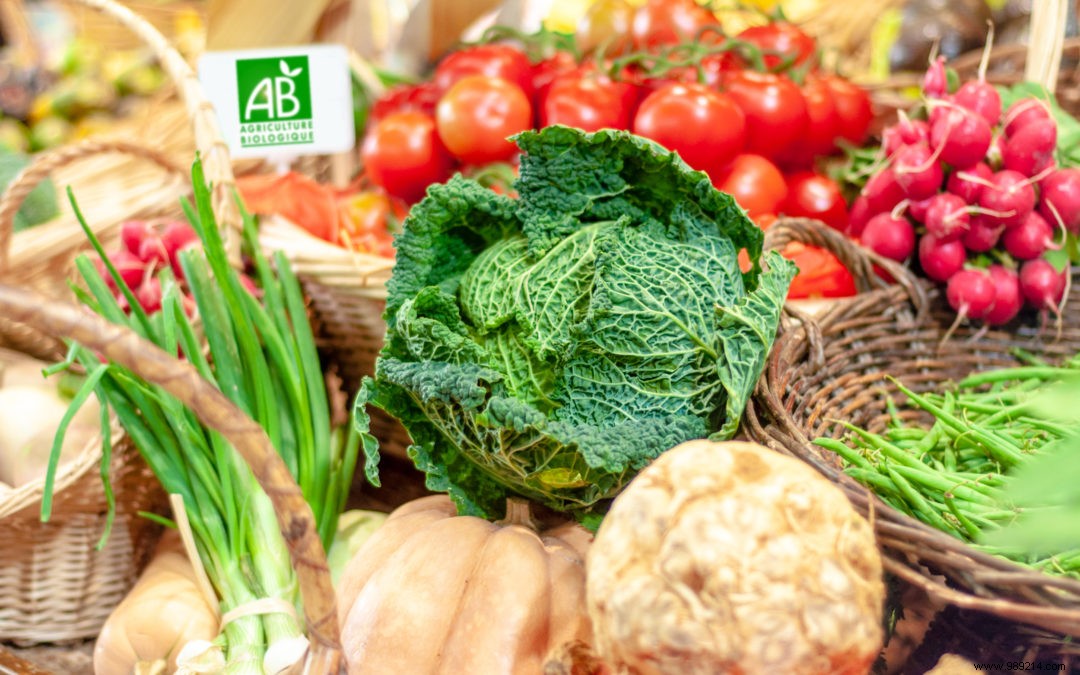
Insights from a leading consumer magazine reveal that organic foods aren't always pollutant-free, sugar-free, or ethically sourced.
Organic food has become a staple in French diets. As noted in the July special issue of 60 Million Consumers, sales reached over 8 billion euros in 2017—a 17% increase from 2016. According to Agence Bio, more than 90% of French people consumed organic products in 2018, with 75% eating them at least monthly and 12% daily. This surge reflects consumers' push for healthier, eco-friendly eating. But do organic labels fully deliver? The magazine tested over 130 labeled products and found only fruits and vegetables reliable—apples and bananas standing out—while others fell short.
Organic Labels Have Limitations
"In an era of food scandals, logos like AB (Agriculture Biologique) and the EU organic leaf seem like a safe bet," says Christelle Pangrazzi, deputy editor of 60 Million Consumers. Yet, they aren't perfect. Organic standards limit pesticides but allow the same residue thresholds as conventional farming. Additives are reduced, but carcinogens like sodium nitrites are permitted in charcuterie. Calorie-wise, organic spreads, snacks, pizzas, and ready meals often match non-organic versions in fat and sugar content.
Environmentally, labels permit palm oil—linked to deforestation in Southeast Asia. Some organic farms now use large-scale monocultures, leading to soil degradation from excessive tillage and polluting machinery. Imported off-season fruits add carbon emissions, and labor issues persist in fields in Spain and Italy.
Pesticides Stay Within Limits
Organic products still outperform conventional ones: no tested item exceeded pesticide thresholds, and GMOs were nearly absent. However, traces of PCBs and dioxins appeared in organic eggs and milk due to legacy soil contamination not addressed by labels.
For stricter standards, opt for Bio Cohérence, Nature et Progrès, Demeter, or Biodyn certifications. Among retailers, independent Biocoop earns praise. Ultimately, the magazine advises prioritizing local, seasonal fruits and vegetables, cutting back on meat, charcuterie, and ultra-processed foods for the best health and environmental impact.
