Should recovered COVID-19 patients receive one or two vaccine doses? France's Haute Autorité de Santé (HAS) recently clarified its guidance based on the latest scientific evidence.
Most individuals who have recovered from SARS-CoV-2 infection develop natural immunity. However, its strength and duration vary by person and remain incompletely understood. Studies indicate antibody production can provide protection for five to eight months.
On February 12, 2021, HAS updated its recommendations based on current knowledge of viral immunity, following advice from the French-speaking Infectious Pathology Society (SPILF). It advises vaccinating recovered patients three to six months after recovery with a single dose.
Pfizer, AstraZeneca, and Moderna vaccines typically require two doses spaced specifically: the first initiates immunity, while the second establishes long-term protection. HAS posits that recovered patients retain immune memory, making a single booster dose sufficient to reinforce and extend immunity.
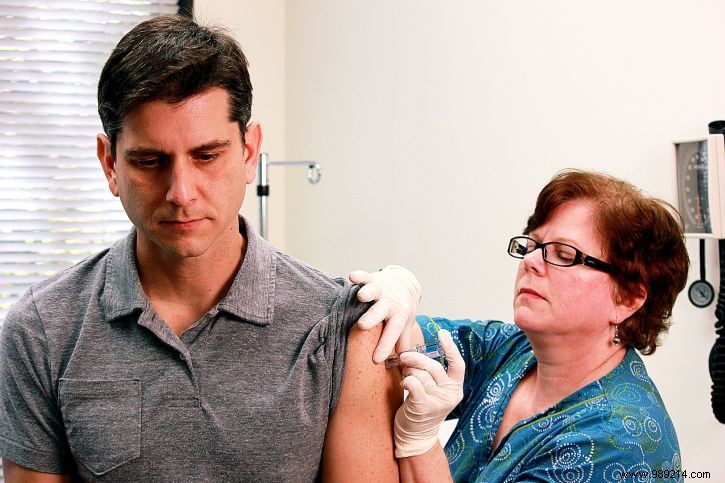
Recovered patients eligible three to six months post-infection receive one dose to reboost and prolong immunity—a second is deemed unnecessary. This approach also helps preserve limited vaccine supplies and optimize the rollout.
Immunosuppressed recovered patients, who produce few or no antibodies, should follow the standard two-dose regimen. Additionally, if someone contracts COVID-19 after their first dose, HAS recommends skipping the second and waiting three to six months post-recovery.
