Researchers from Spain have created a straightforward, quick stress test to help screen for coronary heart disease. It involves climbing stairs at a steady pace within a set time, potentially reducing the need for more invasive traditional screenings.
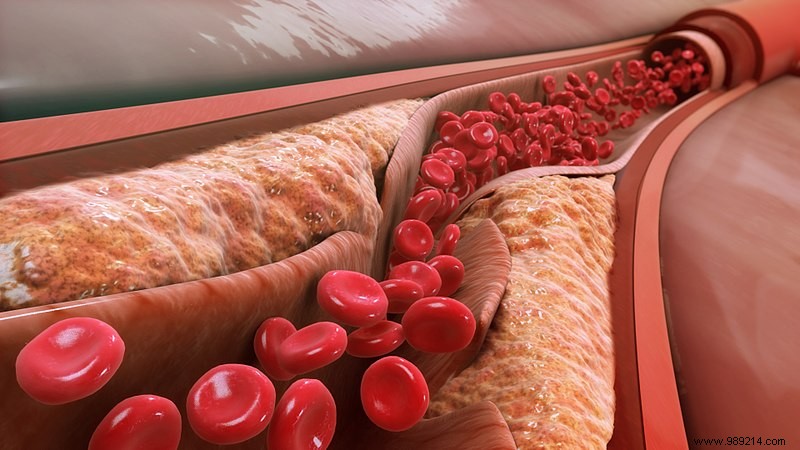
Jesús Peteiro, a cardiologist at University Hospital of La Coruña in Spain, led a study published by the European Society of Cardiology on December 11, 2020. His team developed this stress test to detect coronary artery disease, which affects the arteries supplying blood to the heart. Often caused by atherosclerosis—the buildup of plaques in artery walls (see image below)—it poses significant health risks.
The test is remarkably simple and fast: climb 60 stairs in less than 60 seconds (equivalent to four flights). In their study, the team evaluated 165 symptomatic patients at risk for coronary heart disease, measuring exercise capacity in metabolic equivalents (METs)—a standard gauge of energy expenditure or oxygen use during activity compared to rest.
Results showed that patients climbing the stairs in 40-45 seconds achieved high MET scores (9-10), linked to a very low mortality rate of less than 1% per year (or 10% over 10 years). Those taking 90 seconds or more scored below 8 METs, indicating a higher mortality risk of 2-4% per year (around 30% over 10 years). The researchers also conducted treadmill tests and heart imaging to assess cardiac function under stress, confirming that normal performance correlates with a low likelihood of coronary artery disease.
“If it takes more than a minute and a half to climb four flights of stairs, your heart health may not be optimal—consult a doctor. This simple, low-cost test helps triage patients for advanced exams,” says Jesús Peteiro.
As the leading cause of heart disease, coronary issues benefit from early detection. This stair test could eliminate unnecessary advanced procedures like MRIs, angiograms, and electrocardiograms for many patients.
