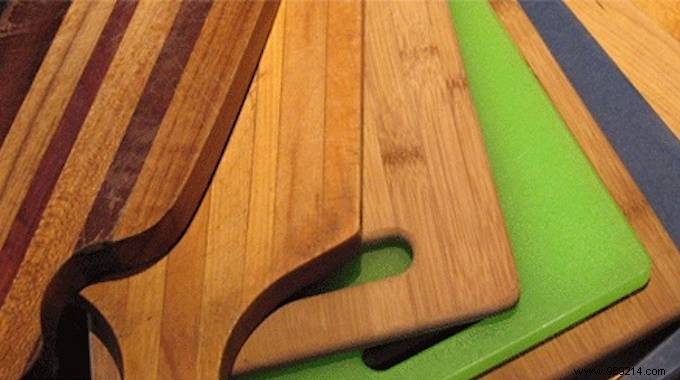
If you're like me and love cooking, you've likely debated this: wooden or plastic cutting board? What's truly best for your health? It's not straightforward—let's explore the evidence.
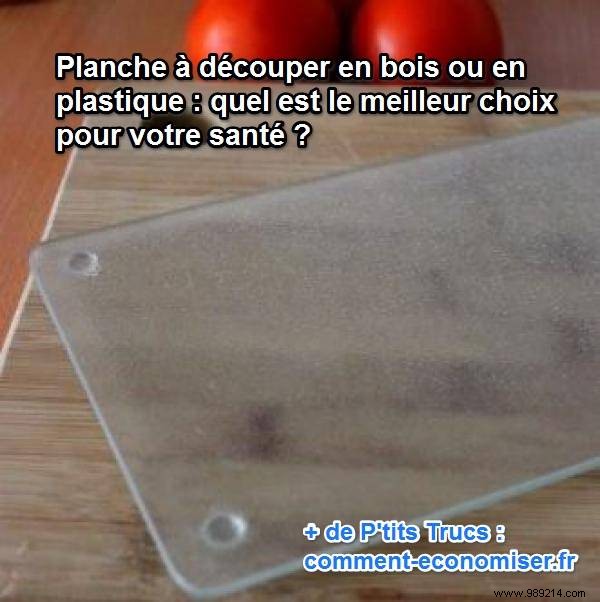
Several wood types are used for cutting boards.
Beech boards: Common in kitchens, they're highly resistant but porous. Water seeps in, causing warping over time.
Exotic wood boards: The toughest option, naturally rot-resistant. Always verify sustainable sourcing from managed tropical forests to support responsible practices.
Bamboo boards: Exceptionally hard and water-resistant, plus eco-friendly due to rapid regrowth. Watch for potential splinters on the surface.
Two main types dominate.
PVC (polyvinyl chloride) boards: Non-porous, durable, and hygienic. However, wear releases tiny fibers that can contaminate food.
HDPE (high-density polyethylene) boards: Also non-porous, rigid, and tough—the top plastic choice for longevity.
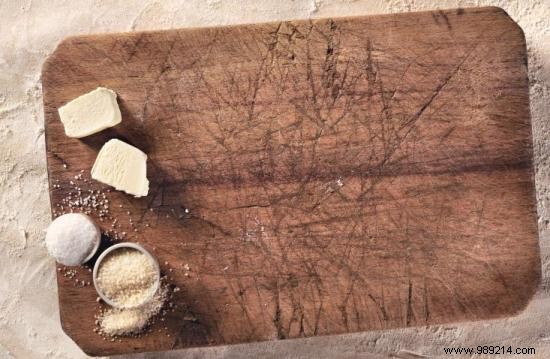
European regulations favor plastic over wood. But consider plastic's risks: potential lead, cadmium, phthalates, and DEHA—a chemical linked to cancer in animal studies, plus harm to liver, kidneys, spleen, and bones.
Phthalates leach via microfibers from knife cuts, ending up in your food. Not ideal.
From my cooking experience, both materials develop knife grooves where bacteria thrive.
Microbiologist Dr. Dean Cliver at the University of California tested this. He inoculated wooden and plastic boards with bacteria, soaked, washed, and dried them, then sampled.
Wood absorbed bacteria but naturally killed them—they couldn't survive long enough to infect.
Plastic trapped bacteria in grooves; washing failed to remove them, and they multiplied readily.
Bottom line: Wooden boards proved more hygienic. For plastic, only HDPE offers real resistance.
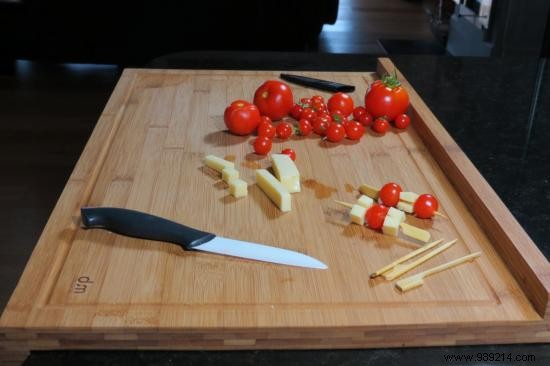
In my view, opt for a hardwood board to minimize microbial risks in knife marks. I recommend bamboo for its durability and sustainability.
Replace boards regularly once grooves deepen. For maintenance tips, check our guide here.
