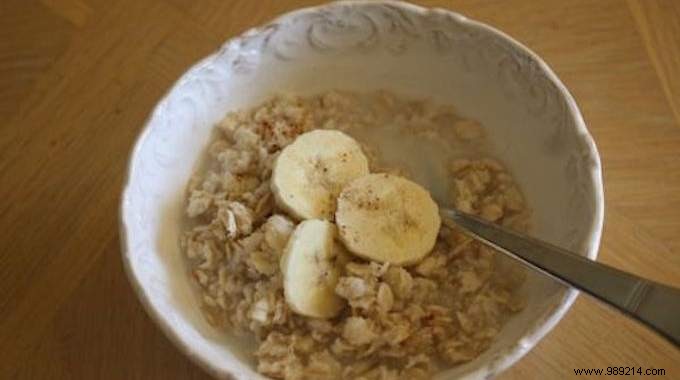
Discover the impressive health benefits of oats—a nutrient-dense grain far superior to its reputation as mere horse feed. For centuries, oats served as the staple cereal for Scots and Scandinavians until the 19th century. Packed with essential nutrients, they offer real support for everyday wellness.
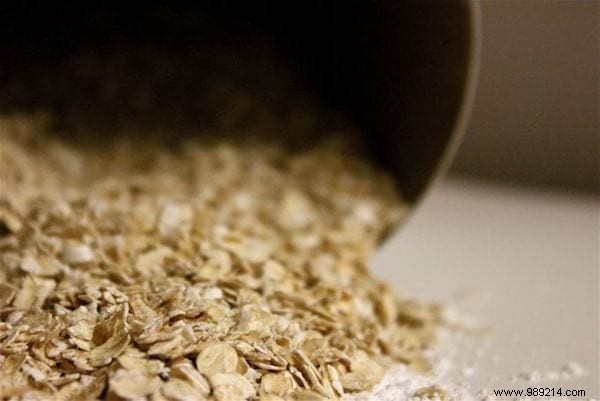
Rich in minerals and vitamins like magnesium, phosphorus, manganese, iron, selenium, zinc, and vitamin B1, oats provide comprehensive nutritional support as a natural ally against common health issues.
Its standout benefit is promoting intestinal transit thanks to high fiber content, while also aiding cholesterol and diabetes prevention as an effective metabolism regulator.
Lesser-known perks include calming properties that combat insomnia and hypertension.
As a poultice, oats ease rheumatism.
From personal experience, oats nourish the skin beautifully. I often use the cooking water on my face with a cotton pad for a radiant glow, or apply cooled porridge as a mask to soothe acne and irritations.
Available as flakes or bran, oats shine in muesli, pancakes, and galettes made from bran.
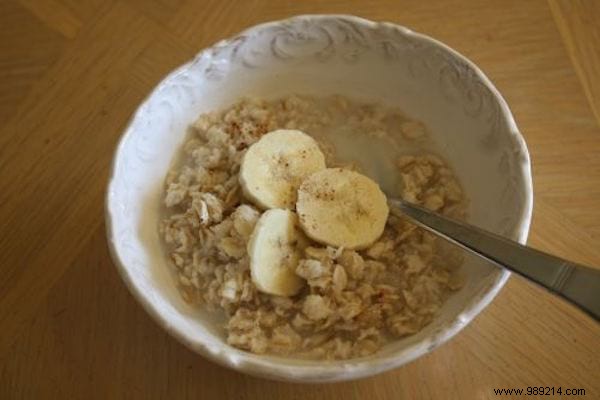
The classic preparation is rolled oats cooked in milk—the renowned English porridge. I enhance mine with honey, apple chunks, and cinnamon for a delicious, nourishing breakfast.
While beneficial, excessive oats consumption has drawbacks, especially for athletes or those dieting.
Oats can bind nutrients in your meal, aiding weight loss by trapping fats and sugars but potentially reducing vitamin and mineral absorption by nearly 5%, heightening deficiency risks.
Moderation is key: limit intake or pair with supplements to maintain balance.
