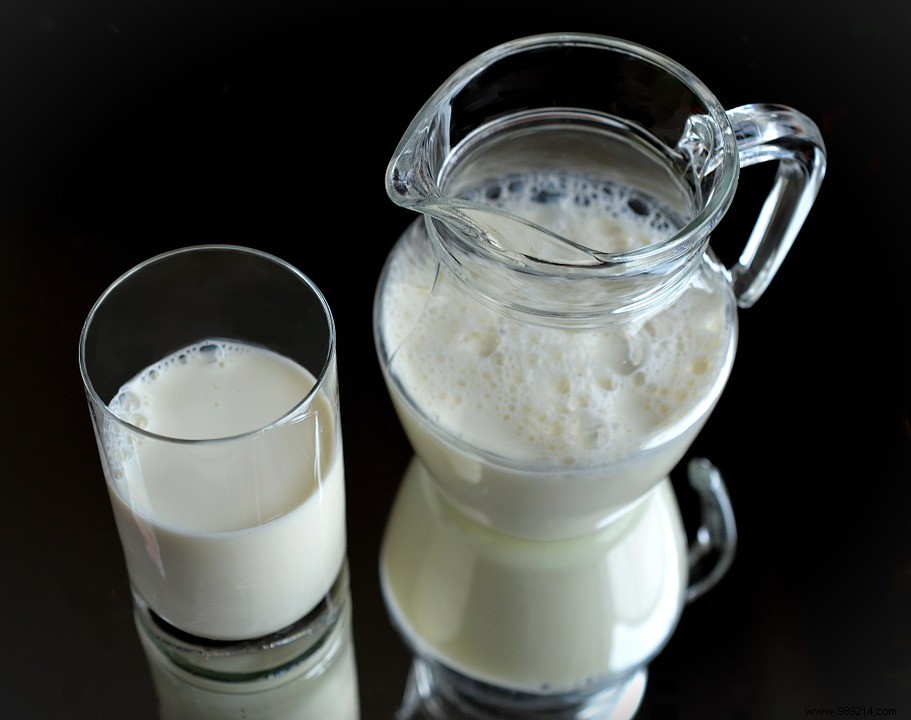
In Western cultures, a warm glass of milk is a cherished bedtime ritual believed to induce sleep. Yet, rigorous studies show it has no direct effect on sleep quality.
Sleep disorders like insomnia, narcolepsy, sleepwalking, or teeth grinding affect millions worldwide. Many turn to remedies such as herbal teas, light snacks, lavender scents, or a comforting cup of hot milk to ease into restful slumber.
This tradition enjoys widespread popularity in the West, but no clinical trials have tested plain hot milk alone. Research has instead examined enhanced versions. A December 2020 report from Agence Science-Presse highlights these findings.
A 1972 study assessed Horlicks, a malted milk powder, finding participants moved less during sleep. However, with just four volunteers, the results were inconclusive.
In 1974, researchers compared Horlicks to plain milk, a placebo, and a flavored drink, concluding plain milk offered no sleep benefits comparable to Horlicks.
Later trials explored honey milk and melatonin-enriched milk. A 2016 New Zealand study reported beneficial effects for insomniacs from melatonin milk—but it was funded by the dairy industry and the product's manufacturer.
Overall diet and eating habits influence sleep far more than isolated foods. So why the belief in milk's soporific power? It contains tryptophan, an amino acid that supports serotonin and melatonin production—key to mood and sleep regulation.
Supplemental tryptophan treats insomnia effectively, but a single glass of milk provides too little to make a difference. Bottom line: Hot milk won't directly aid sleep onset. That said, if you're not lactose intolerant, enjoy it as a soothing pre-bed ritual.
