
Are you an early riser, a night owl, or a heavy sleeper? Regardless, we spend about one-third of our lives asleep.
We've all felt the fallout from a poor night's rest: foggy concentration, dark circles, irritability. Quality sleep is essential for health.
It synchronizes us with our natural biological rhythms. During sleep, the body repairs, regenerates, and rebuilds.
But does hitting the hay before midnight lead to better sleep? You've likely heard that pre-midnight hours 'count double.' True or false? Let's debunk this common myth.
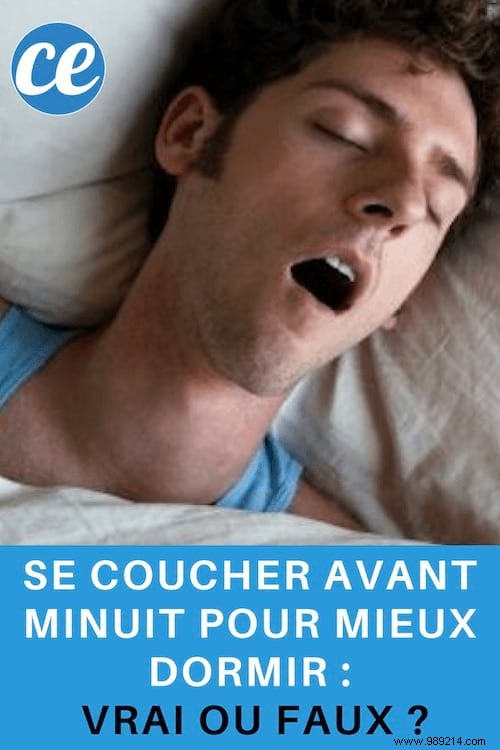
Sleep patterns vary widely, shaped by our individual habits and schedules.
Everyone experiences sleep roughly every 24 hours, regulated by our internal circadian clock for consistent rhythms.
Whether you're a late riser or early bird is largely genetically determined. The key is listening to your body's natural rhythm and maintaining consistent schedules.
Sleep consists of repeating cycles: light sleep, deep sleep, and REM (dream) sleep, with varying proportions each night.
Deep sleep, the most restorative phase, predominates early in the night—those 'double-counting' hours.
This phase occurs at the start of your sleep session, regardless of clock time. Bedtime before or after midnight doesn't matter; you'll still get restorative deep sleep.
So, the idea that pre-midnight sleep is superior is an urban legend!
The real secret lies in smart lifestyle choices.
Having identified my night-owl rhythm, I honor it and tune into my body's sleep signals.
Avoid screens—TV, computers, phones—in the bedroom. Skip heavy meals close to bedtime. And while evening exercise isn't ideal, it's better than none.
Before bed, I unwind with a soothing herbal tea like linden or verbena, followed by a calm activity.
Reading is my go-to; occasionally, a relaxing bath with lavender flowers and gentle music works wonders.
In bed, my hot water bottle under the knees is a must. I add 2 drops of essential oils—thyme, rosewood, or lavender—on my pillow. For nerves, magnesium chloride supplements are invaluable.
For insomnia, I use 4-7-8 breathing: inhale for 4 seconds, hold 7, exhale 8.
