A United Nations commission has voted to remove medical cannabis from the list of the most dangerous narcotics in Schedule IV of the 1961 Single Convention on Narcotic Drugs. This landmark decision is expected to accelerate research into its therapeutic potential, as industry experts anticipate.
Cannabis previously shared Schedule IV with highly dangerous substances like heroin. As reported by The New York Times on December 2, 2020, the commission's 53 member states split into two camps: supporters including the United States and European nations, versus opponents like Russia, China, Egypt, Nigeria, and Pakistan. The vote removed cannabis and its derivatives from this category.
Experts note this is a non-binding recommendation, leaving governments free to maintain their policies. However, many nations align with UN guidance, potentially paving the way for eased restrictions worldwide.
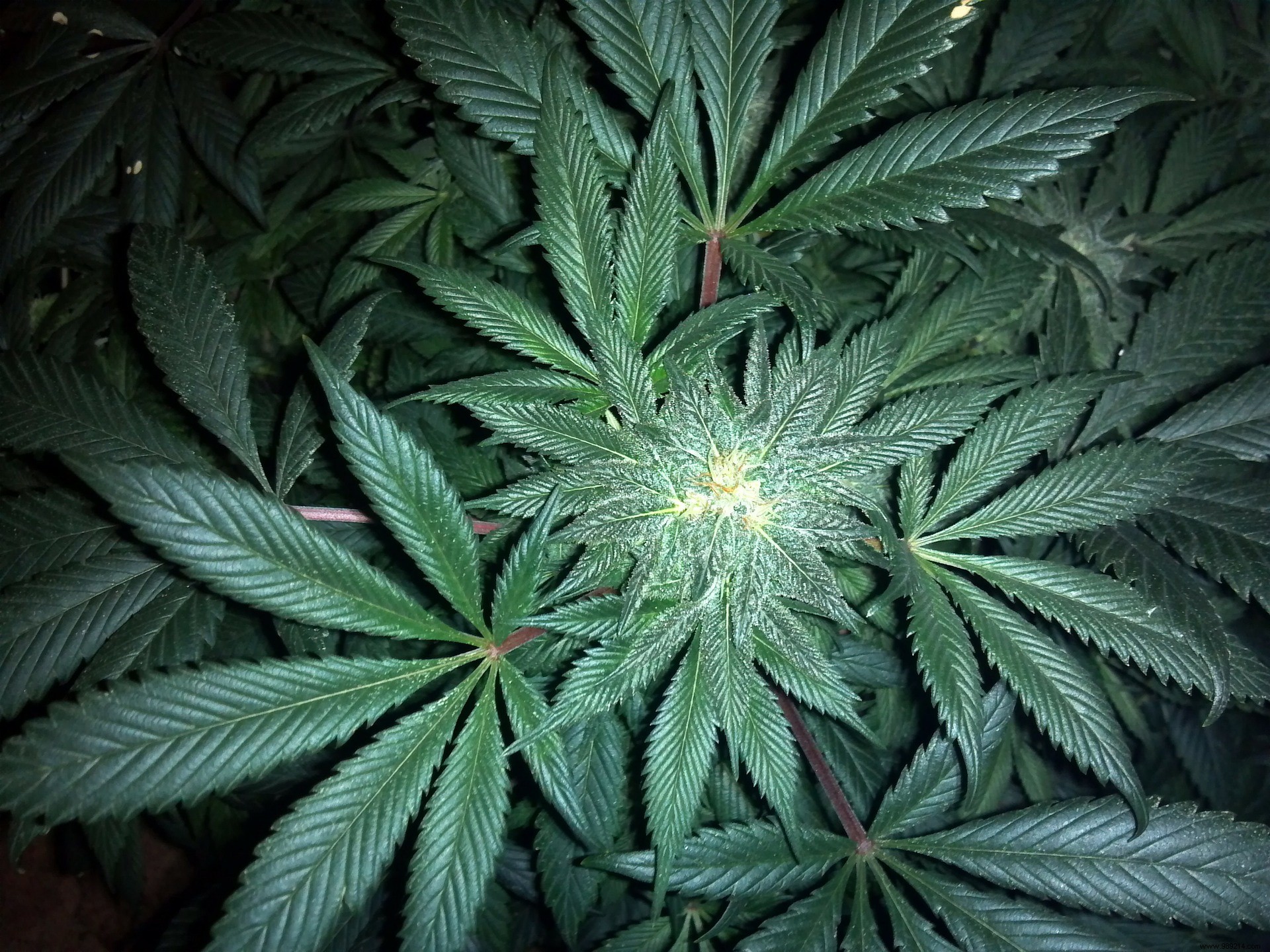
The New York Times featured Michael Krawitz, executive director of Veterans for Medical Cannabis Access, who argued that rejecting the recommendation denies citizens access to pain-relieving therapies. Medical cannabis stakeholders view this as a catalyst for expanded research.
France didn't wait for the UN. In October 2019, the National Assembly approved a two-year experiment with medical cannabis, set to run from 2021 to 2022. It targets 3,000 volunteers suffering from chemotherapy side effects, neuropathic pain, certain epilepsies, or palliative care needs.
Administration options include dried flowers for smoking, oils, and herbal teas. Dosages will be tailored based on THC (psychoactive) and CBD (muscle-relaxing) levels, with success potentially leading to nationwide rollout.
